
Common Electrical Myths Debunked by Experts at ATB Electric


Understanding the Truth About Electrical Myths
Electricity is an essential part of our daily lives, yet it's often misunderstood, leading to widespread myths that can cause confusion and even danger. At ATB Electric, we are committed to educating the public about these misconceptions. By debunking these myths, we aim to promote safer electrical practices and a better understanding of how electricity works.
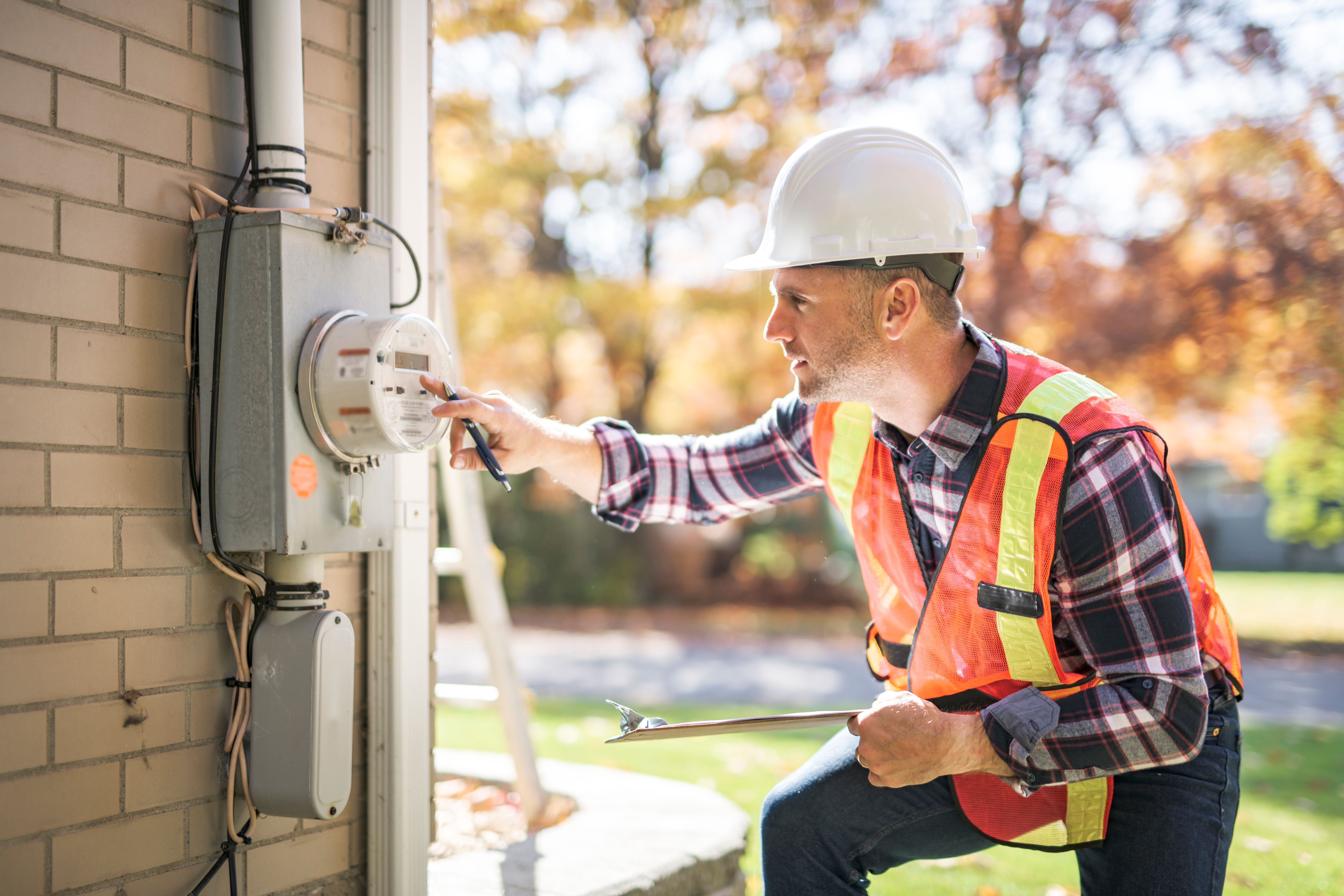
Myth 1: Turning Off Appliances Stops Energy Usage
Many people believe that turning off appliances completely halts their energy consumption. However, this isn't entirely true. Devices like televisions, computers, and chargers often continue to draw power even when switched off. This phenomenon, known as "phantom load" or "vampire power," can contribute to higher electricity bills. To counteract this, consider unplugging devices or using power strips to cut off electricity completely.
Myth 2: Higher Wattage Means Better Performance
A common misconception is that higher wattage equates to better performance or brighter light. In reality, wattage only measures energy consumption, not output quality. For lighting, lumens are a better indicator of brightness. Selecting the right lumens for your needs can ensure efficient energy use without sacrificing performance.

Myth 3: Rubber Gloves Protect Against Electric Shock
It's a popular belief that wearing rubber gloves provides sufficient protection against electric shock. While rubber is an insulator, not all rubber gloves are created equal. Household rubber gloves are typically not designed to withstand high voltages. For proper protection, use specialized electrical gloves that meet safety standards.
Myth 4: Circuit Breakers Prevent All Electrical Fires
While circuit breakers are essential for safety, they are not foolproof in preventing all electrical fires. They are designed to cut off power if an overload is detected, but they may not catch every potential hazard, such as faulty wiring or aging electrical systems. Regular maintenance and inspections by professionals can help identify and mitigate these risks.

Myth 5: DIY Electrical Work is Safe
Many homeowners are tempted to tackle electrical work themselves to save money. However, without proper knowledge and experience, DIY electrical work can be extremely dangerous. It’s crucial to hire certified electricians who understand the complexities of electrical systems and adhere to safety regulations.
Conclusion: Staying Safe with Electrical Knowledge
Understanding and debunking common electrical myths is vital for safety and efficiency. At ATB Electric, we encourage everyone to seek professional advice and stay informed about the realities of electricity. By doing so, you can ensure a safer environment for yourself and your loved ones.
If you have any questions or need assistance with your electrical needs, feel free to contact the experts at ATB Electric. We are here to help you navigate the complexities of electrical systems with confidence.