
Comparing Data Cabling Options: Finding the Right Fit for Your Business


Choosing the right data cabling option is crucial for the efficiency and scalability of your business. With technology evolving rapidly, having a robust and adaptable network infrastructure is more important than ever. This guide will help you understand the different data cabling options available and how to select the one that best suits your business needs.
Understanding Data Cabling Options
Data cabling forms the backbone of your business's communication network. It connects different devices, enabling smooth data transmission. The main types of data cabling include Cat5e, Cat6, Cat6a, and fiber optic cables. Each type offers distinct advantages depending on your requirements.
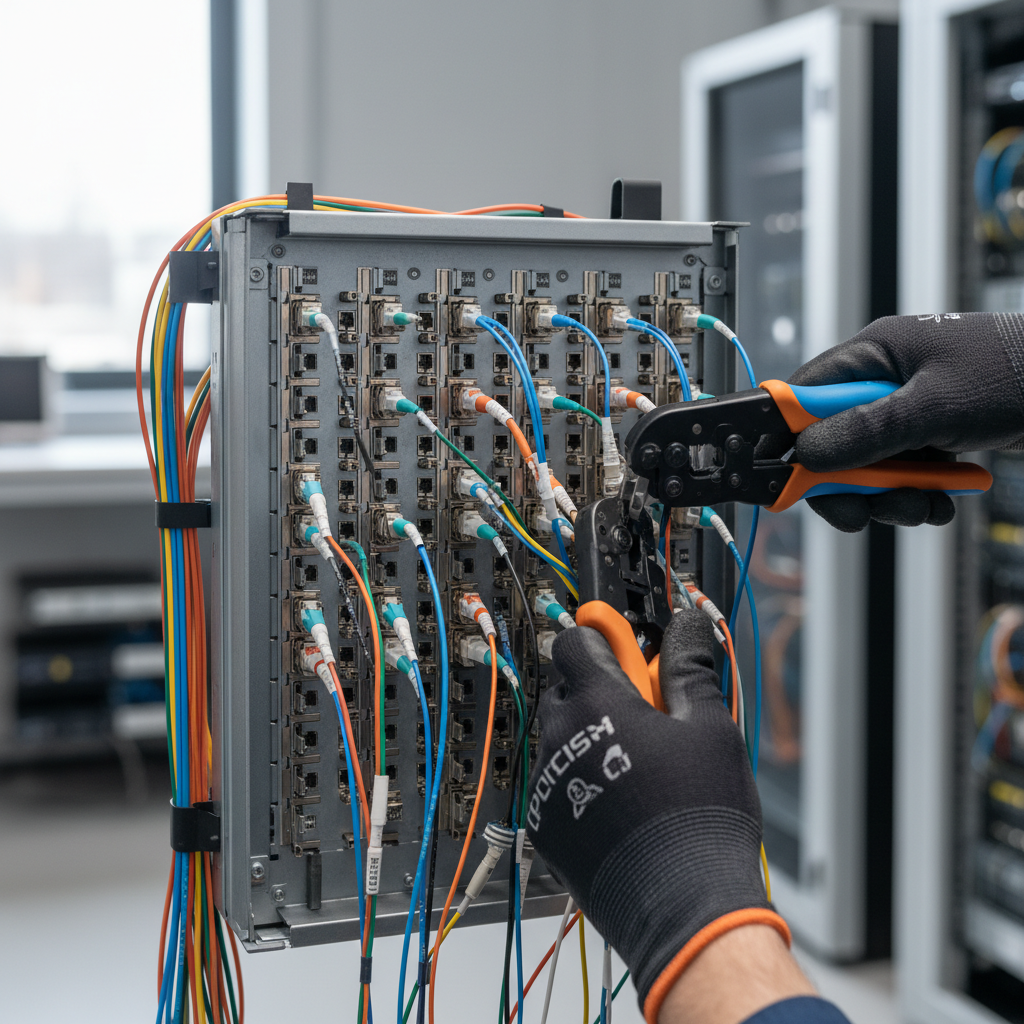
Cat5e and Cat6 Cables
Cat5e cables are a cost-effective solution for small to medium businesses. They support speeds up to 1 Gbps and are suitable for most basic networking needs. However, if your business demands higher speeds and better performance, Cat6 cables might be a better fit. They offer speeds up to 10 Gbps over short distances and reduced interference compared to Cat5e.
When considering Cat6, ensure that your equipment and infrastructure can support the upgrade. While Cat6 cables are slightly more expensive, the investment can pay off in improved performance and future-proofing your network.
Advanced Cabling: Cat6a and Fiber Optics
For businesses with high data demands, Cat6a cables provide enhanced performance. They can support 10 Gbps over longer distances than Cat6, making them ideal for data centers or large office environments. Cat6a is also better at handling electromagnetic interference, ensuring reliable connections.
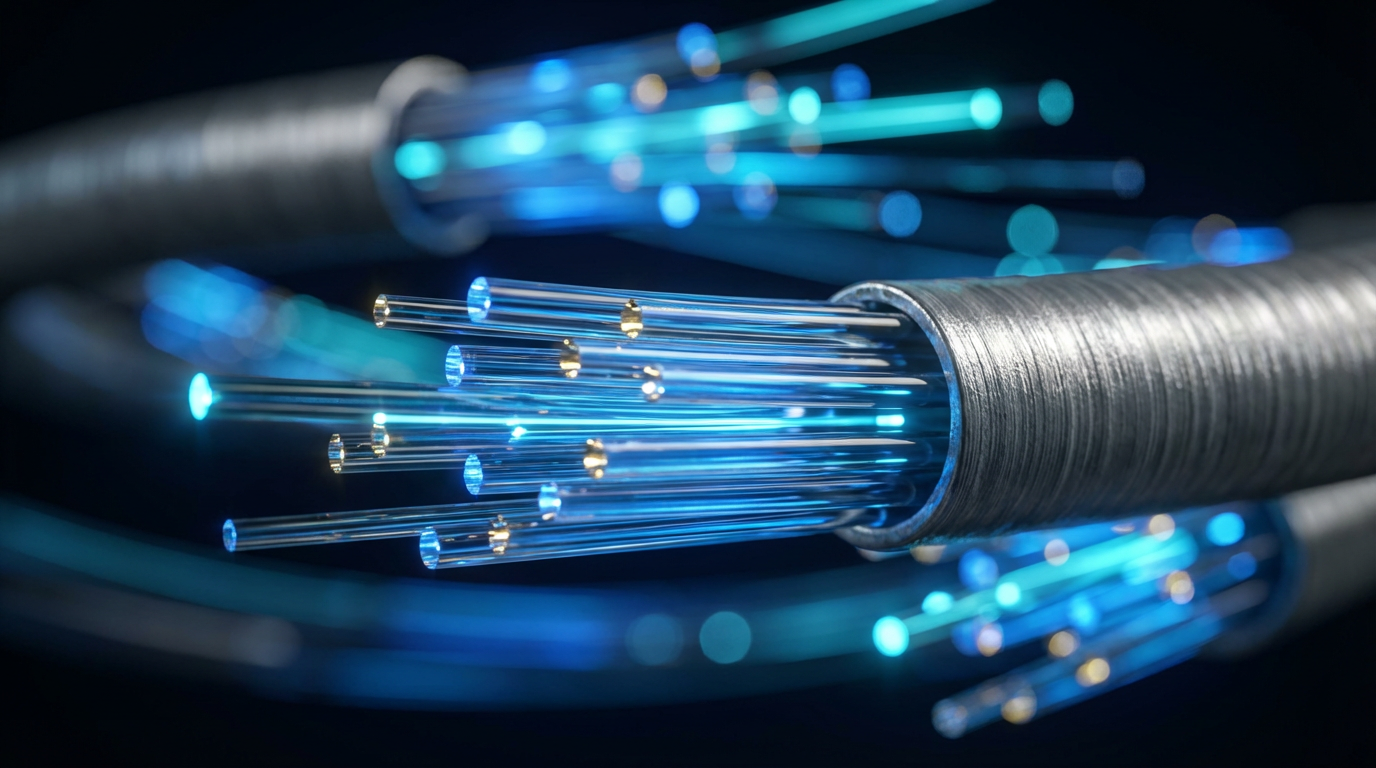
Fiber Optic Cables
If your business requires the highest speed and bandwidth, fiber optic cables are the top choice. They use light to transmit data, allowing for faster speeds and longer distances without signal degradation. Fiber optics are perfect for organizations with high data transfer needs, such as video streaming or large-scale cloud computing.
While fiber optic installation is more expensive, the benefits of speed and reliability often outweigh the costs for growing businesses.
Factors to Consider When Choosing Cabling
Selecting the right cabling involves evaluating several factors:
- Budget: Determine your budget and consider both initial installation and long-term maintenance costs.
- Data Needs: Assess your current and future data transmission requirements.
- Scalability: Choose a cabling option that can grow with your business.
- Installation Environment: Consider the physical environment, such as distance and potential interference.

Conclusion
Investing in the right data cabling is essential for maintaining a competitive edge in today's digital landscape. By understanding the options and assessing your specific needs, you can implement a cabling solution that supports your business's growth and success. Whether opting for Cat5e, Cat6, Cat6a, or fiber optics, each choice offers unique benefits that can significantly enhance your network infrastructure.