
Comparing Home Automation Systems: What Features Matter Most


Understanding Home Automation Systems
Home automation systems are revolutionizing the way we interact with our living spaces. With the rise of the Internet of Things (IoT), managing your home's lighting, security, and climate has never been easier. However, with so many options available, it can be overwhelming to choose the right system. This guide will help you understand what features matter most when comparing home automation systems.
When evaluating different systems, it's crucial to consider both the functionality and the integration capabilities. A perfect setup should enhance your home’s efficiency and comfort while being user-friendly.
Compatibility and Integration
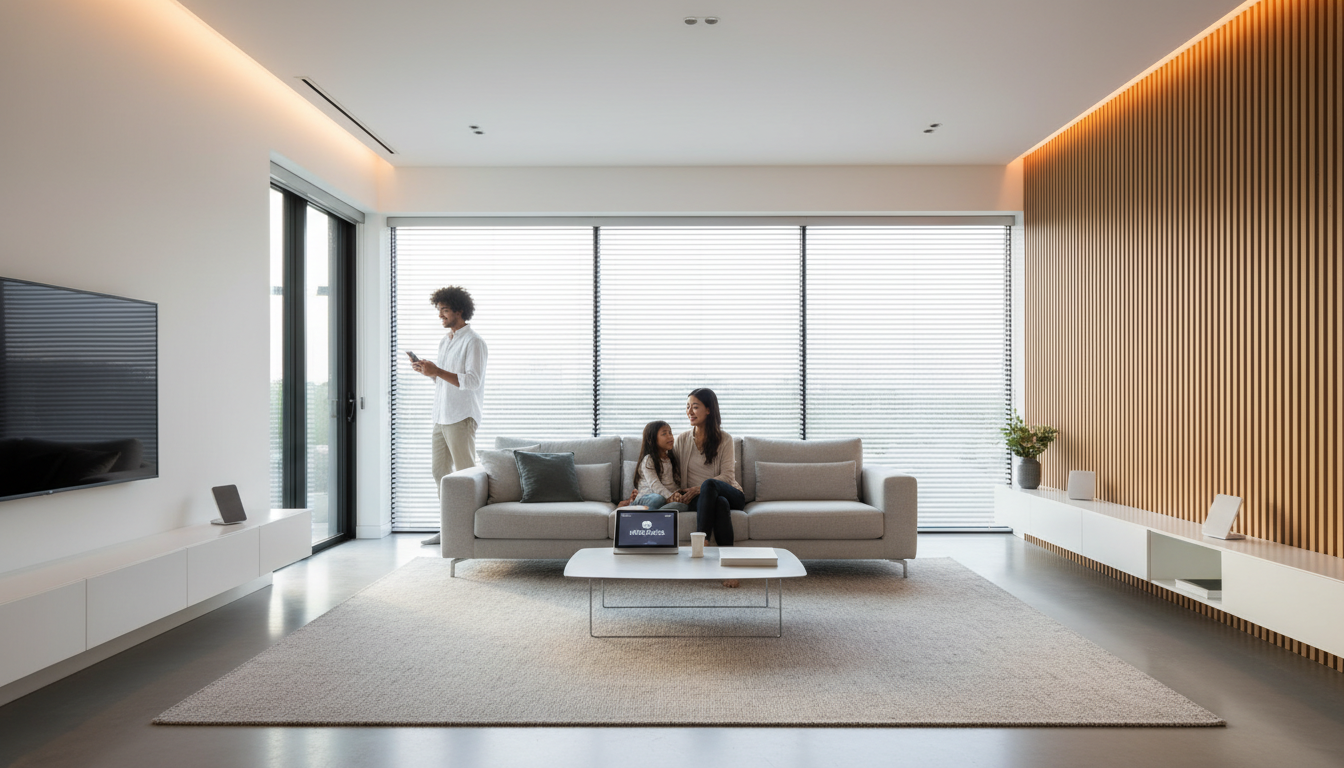
One of the first things to consider is compatibility. A robust home automation system should easily integrate with existing devices. Whether it's smart thermostats, voice assistants, or security cameras, the system must support a wide range of products from various brands. This flexibility ensures that you’re not locked into a single manufacturer's ecosystem.
Integration with popular platforms like Amazon Alexa, Google Assistant, and Apple HomeKit is a significant advantage. It allows you to control devices with voice commands and offers seamless interaction across different gadgets.
Key Features to Look For
Security and Privacy
Security is a top priority for any home automation system. Look for features like end-to-end encryption, two-factor authentication, and regular software updates. These measures help protect your data and ensure that your home remains secure from unauthorized access.
Additionally, consider systems that offer customizable security settings and notifications. This way, you can receive alerts for any unusual activity, providing peace of mind whether you're at home or away.
User Interface and Experience
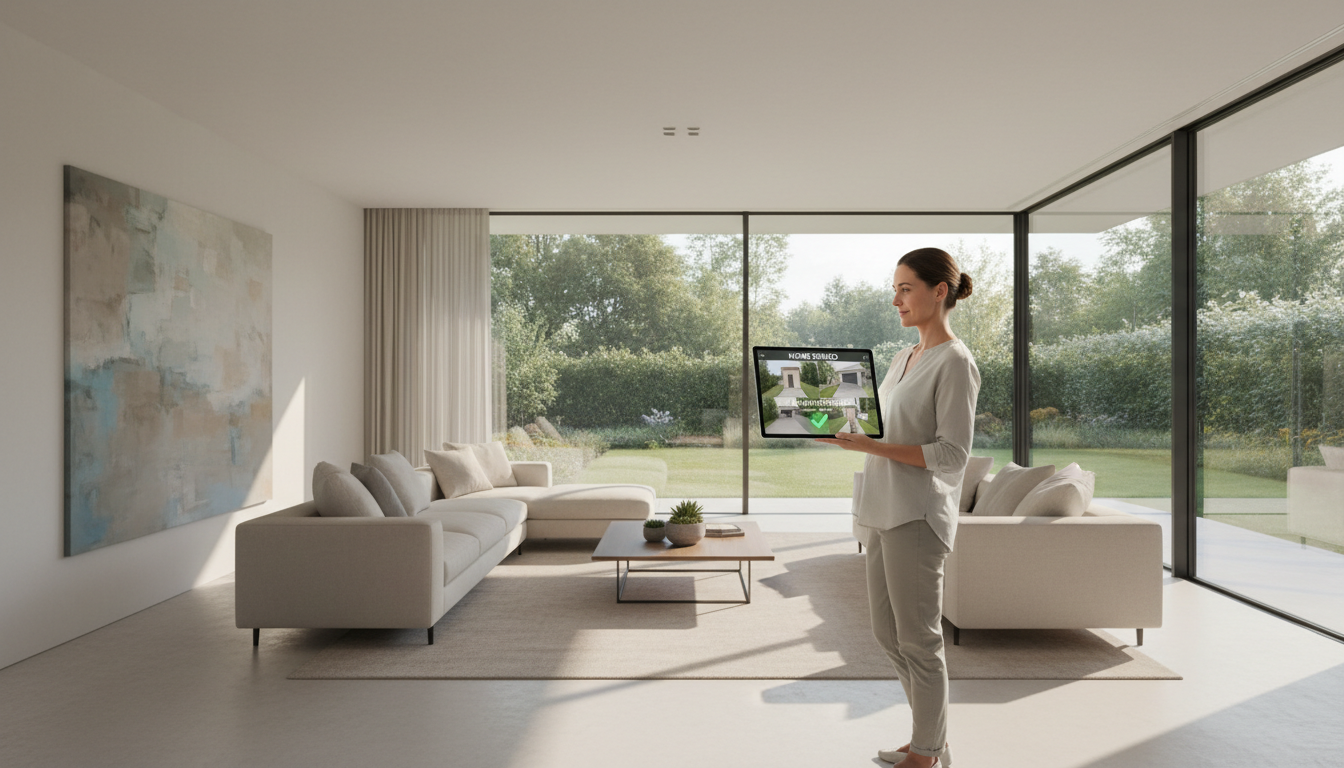
The user interface is another critical aspect. An intuitive app or control panel enhances the overall experience, making it easy to manage devices and settings. Look for systems that offer clear navigation and quick access to essential functions.
Some systems also provide personalized dashboards, allowing you to customize views according to your preferences. This tailored experience can make daily interactions more enjoyable and efficient.
Cost and Scalability
Cost is often a deciding factor when selecting a home automation system. It's essential to balance initial investment with long-term benefits. Some systems may have a higher upfront cost but offer better features and reliability, which can save money in the long run.
Scalability is also important. Choose a system that can grow with your needs, allowing you to add new devices without significant upgrades or compatibility issues. This ensures your investment remains valuable over time.
Customer Support and Community
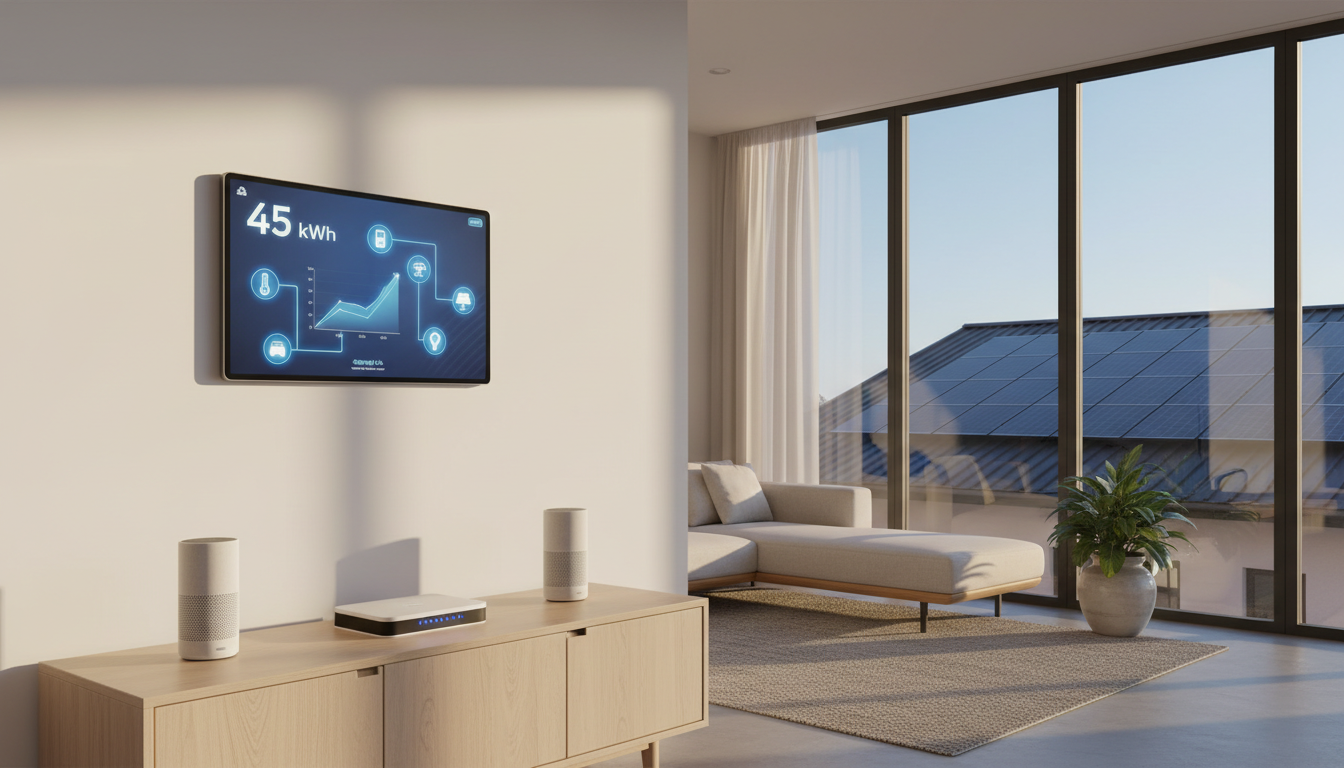
Finally, consider the level of customer support and community engagement a brand offers. Responsive customer support can be a lifesaver when troubleshooting issues. Additionally, a vibrant user community can provide valuable insights and tips for maximizing the system’s potential.
In conclusion, while choosing a home automation system can be daunting, focusing on compatibility, security, user experience, cost, and support can guide you to the best option for your home. As technology continues to evolve, these systems will likely become even more integral to our daily lives, providing convenience and efficiency like never before.