
Comprehensive Guide to Solar Panel Installation and Maintenance in Australia


Australia's sunny climate makes it an ideal location for harnessing solar energy. With the increasing popularity of renewable energy, more Australians are turning to solar panels as a sustainable and cost-effective solution. This guide will walk you through the essential aspects of solar panel installation and maintenance.
Understanding Solar Panels
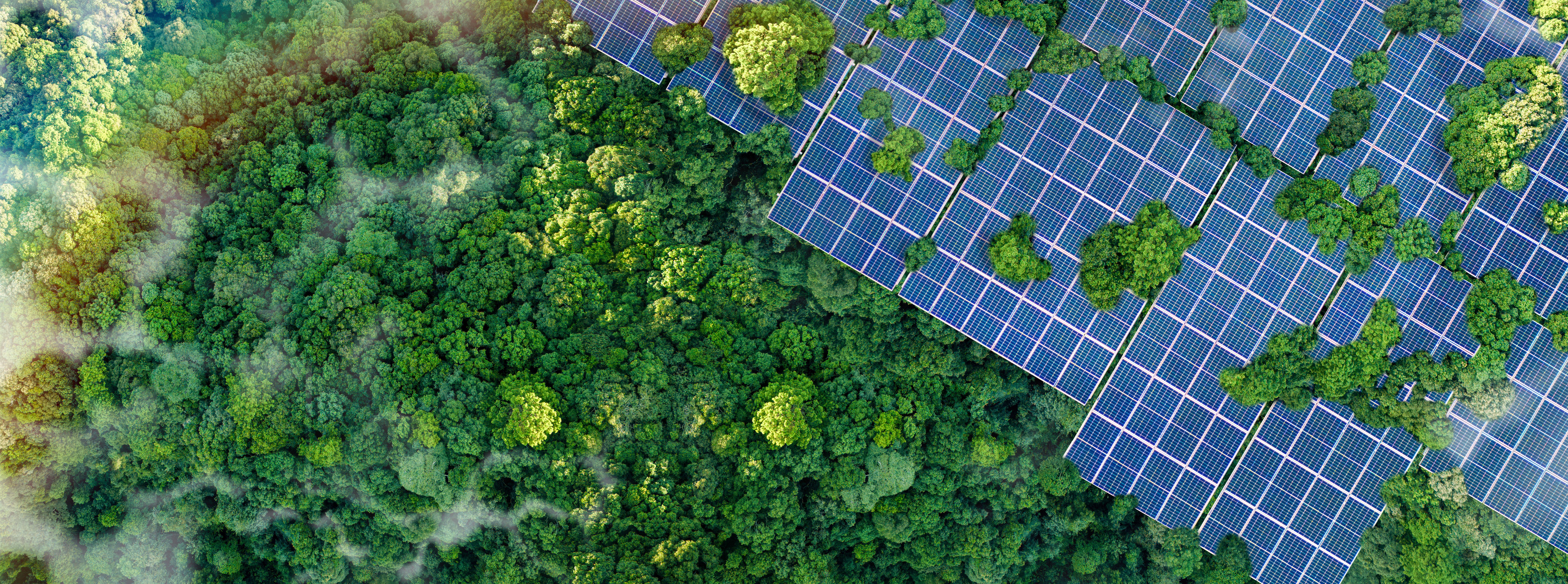
Solar panels convert sunlight into electricity using photovoltaic (PV) cells. These cells are typically made of silicon and are designed to capture sunlight and transform it into usable energy. When installing solar panels, it's important to understand the various types, such as monocrystalline, polycrystalline, and thin-film panels, each with unique advantages.
Installation Process
Site Assessment and Planning
The installation begins with a thorough site assessment to determine the optimal placement for your solar panels. Factors such as roof orientation, angle, and shading are considered to maximize energy production. It's crucial to work with a certified installer who can tailor the system to your specific needs.
Permits and Approvals
Before installation, you'll need to secure the necessary permits and approvals from local authorities. This process can vary by region, so it's important to consult with your installer to ensure compliance with all regulations. Proper documentation will help avoid any legal issues down the line.
Installation and Connection
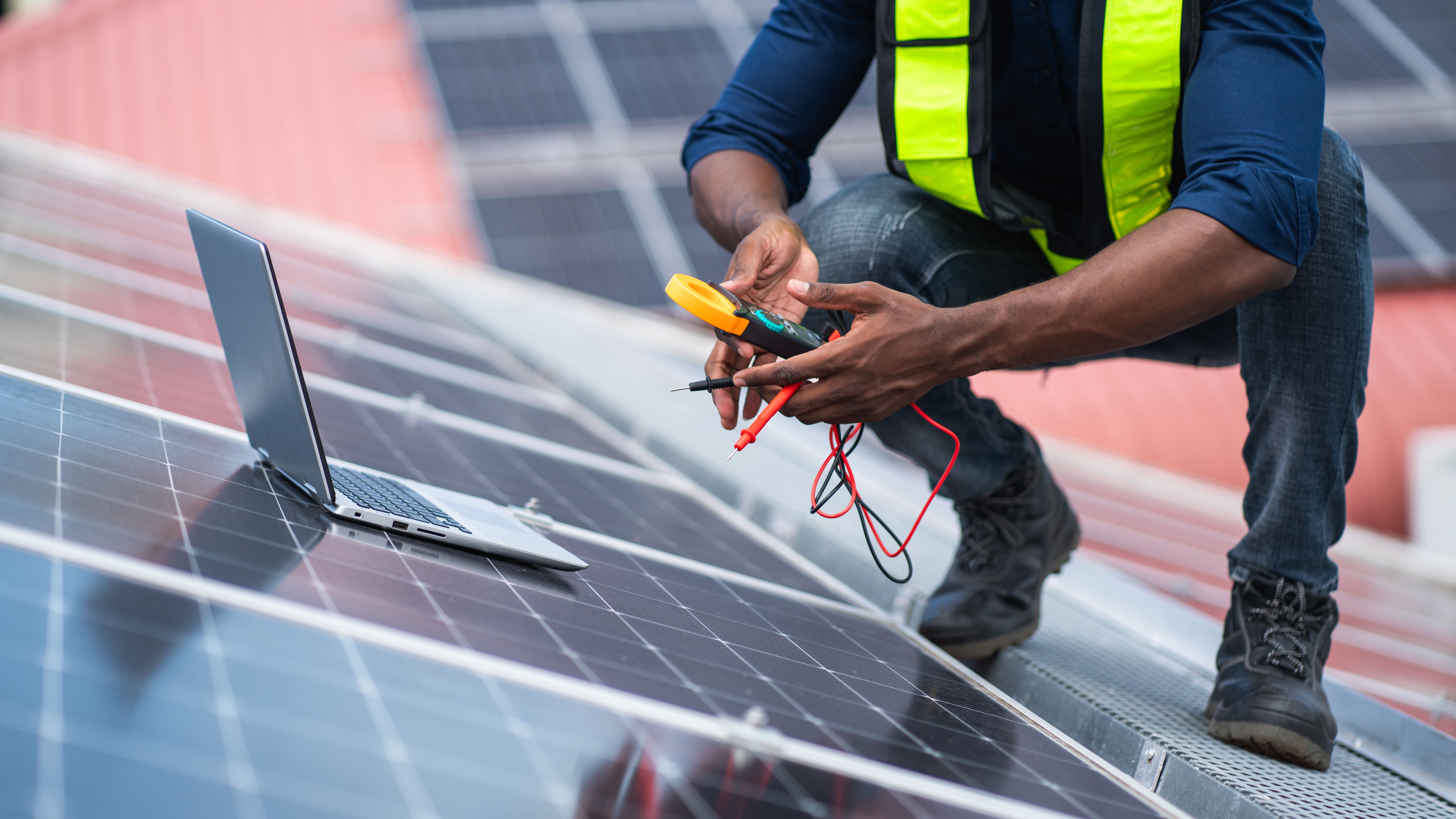
Once permits are in place, the physical installation can begin. Panels are mounted on your roof or an alternative structure, and electrical connections are made to integrate the system with your home's energy supply. This step often involves installing an inverter to convert the DC power generated by the panels into AC power for home use.
Maintenance of Solar Panels
Regular Cleaning
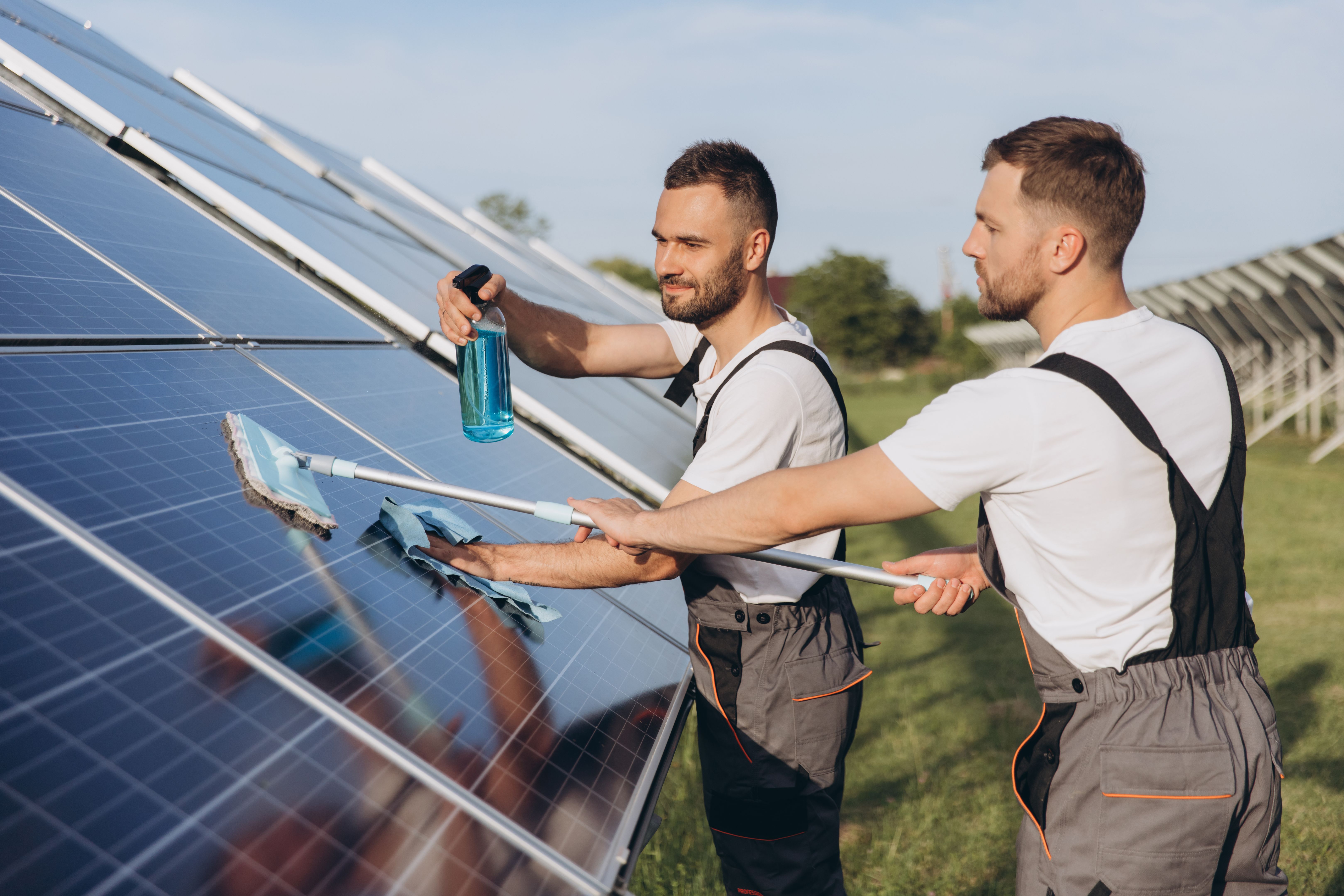
Maintaining the efficiency of your solar panels requires regular cleaning. Dust, debris, and bird droppings can accumulate on the panels, reducing their ability to capture sunlight. It's recommended to clean the panels at least twice a year using water and a soft brush.
Monitoring System Performance
Many solar panel systems come with monitoring software that allows you to track energy production and detect any issues. Regularly reviewing this data helps ensure your system is operating efficiently. If you notice a drop in performance, it may be time to inspect the panels for damage or dirt.
Professional Inspections
While regular cleaning and monitoring can be done by homeowners, it's advisable to have a professional inspection every few years. A qualified technician can identify potential issues, such as wiring problems or defective panels, ensuring your system remains in top condition.
Embracing solar energy in Australia not only reduces electricity bills but also contributes to a more sustainable future. By understanding the installation and maintenance processes, you can enjoy the benefits of solar power for years to come.