
Data Cabling vs. Wireless: Choosing the Best Network Setup for Your Office


Understanding Data Cabling and Wireless Networks
When setting up an office network, deciding between data cabling and wireless can significantly impact your business. Data cabling, often referred to as wired networking, involves the use of cables like Ethernet to connect devices. On the other hand, wireless networking utilizes radio waves to provide internet and network connectivity without the need for physical cables.

Advantages of Data Cabling
Data cabling offers several benefits, making it a preferred choice for many businesses. It provides a stable and consistent connection, minimizing interference and offering high speeds. This is crucial in environments where reliable connectivity is essential for productivity. Moreover, data cabling is generally more secure, as physical access is required to tap into the network.
Benefits of Wireless Networks
Wireless networks offer unparalleled flexibility. Employees can move around freely without being tethered to a desk, which can enhance collaboration and productivity. Additionally, wireless networks are typically easier and less expensive to install, especially in older buildings where running cables might be challenging.
Considerations for Choosing the Right Setup
When deciding between data cabling and wireless, consider your office's specific needs. If your business requires high-speed data transfer for tasks like video editing or large data processing, a wired network might be the best option. However, if flexibility and scalability are important, a wireless network could be more suitable.
Cost Implications
The initial setup costs can vary significantly between wired and wireless networks. While data cabling might involve higher upfront costs due to the installation of cables, wireless networks might require more investment in robust security measures to protect against potential breaches. It’s essential to evaluate these costs in the context of your budget and long-term needs.

Hybrid Solutions
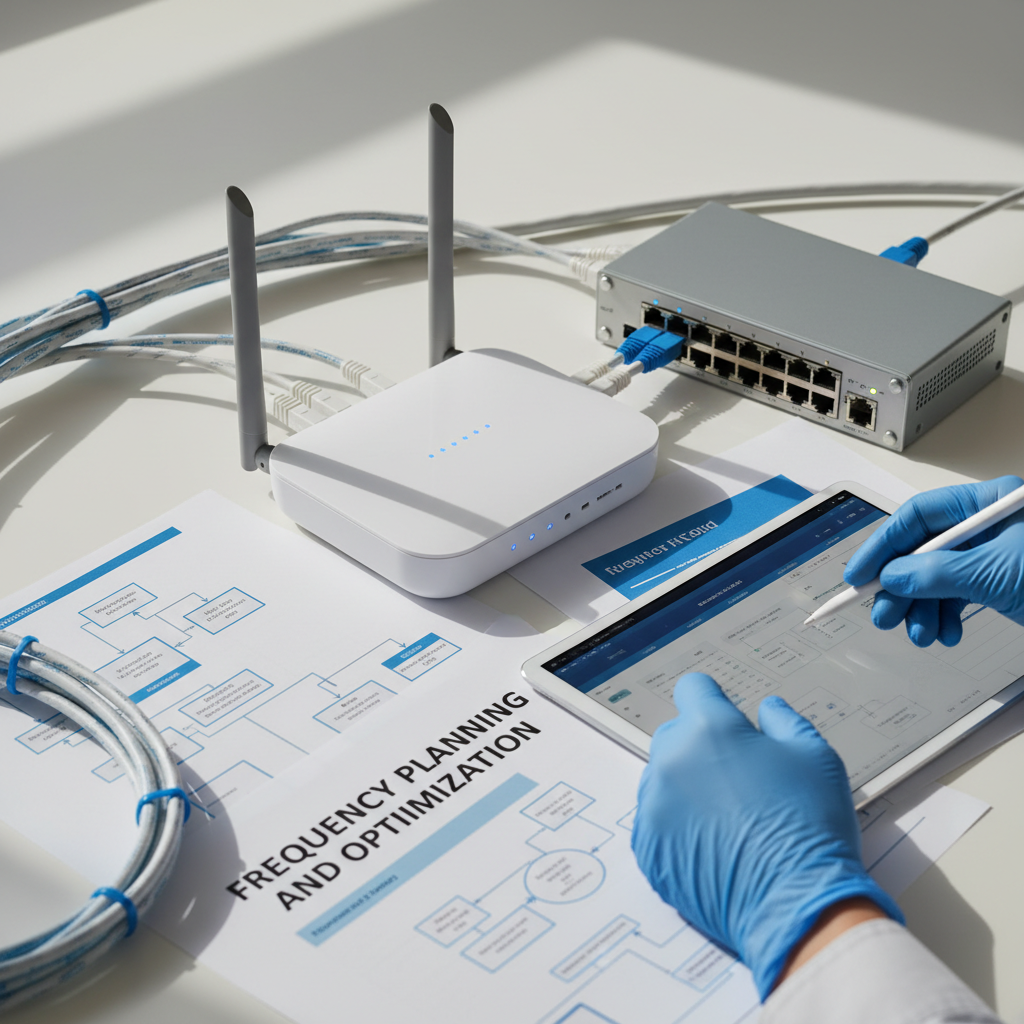
For many businesses, a hybrid approach that combines both data cabling and wireless solutions might be the best fit. This allows for the stability and speed of a wired network in areas where it’s most needed, while also providing the flexibility and mobility of a wireless network in other areas.
Conclusion
Ultimately, the choice between data cabling and wireless networks depends on your specific business requirements and future growth plans. By considering factors like speed, security, cost, and flexibility, you can design a network setup that best supports your office’s operations. Whether you choose a wired, wireless, or hybrid solution, ensuring a reliable and efficient network is key to maintaining productivity and supporting your business’s growth.