DIY Electrical Checks Before Calling an Electrician: What You Can Do Safely


Understanding the Basics of Electrical Safety
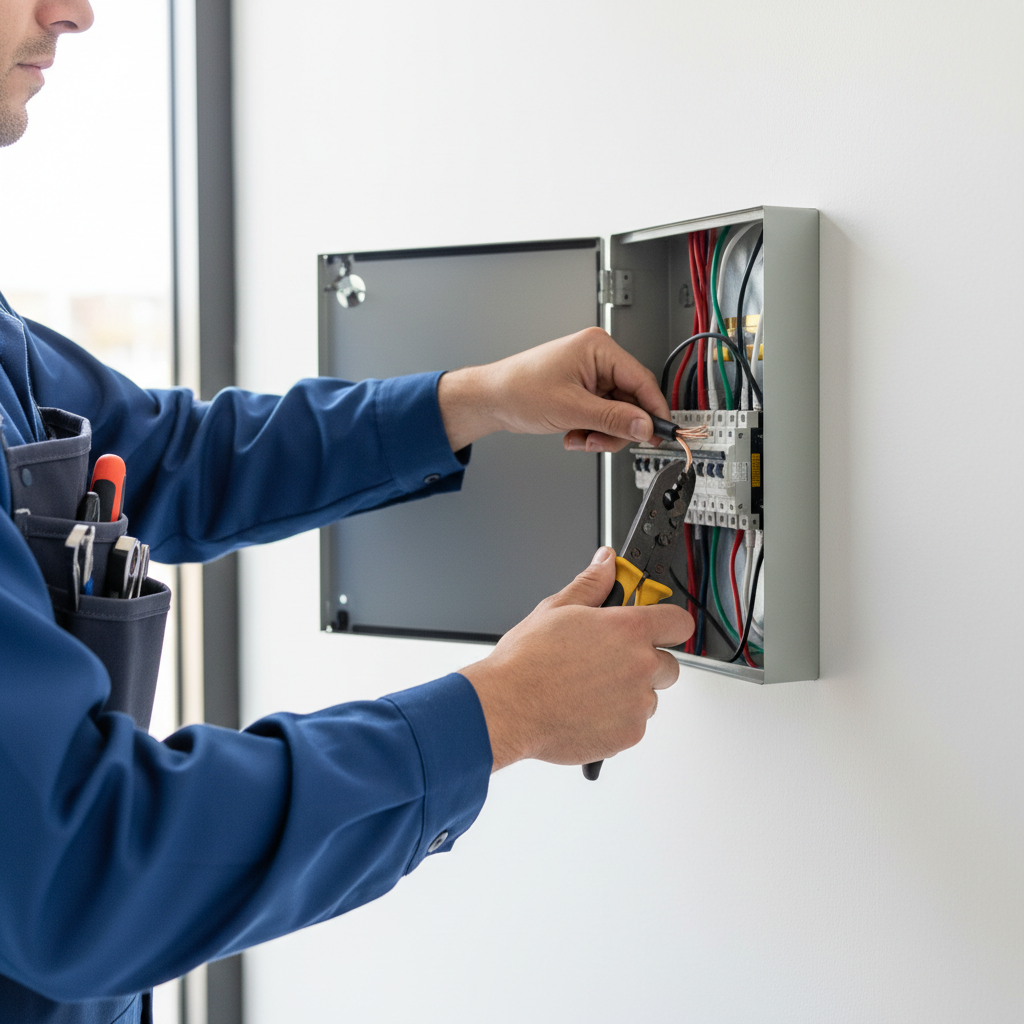
Before diving into any DIY electrical checks, it's crucial to understand the basics of electrical safety. Remember, electricity can be dangerous, so always prioritize safety. Ensure that you turn off the power at the breaker box before touching any electrical components. Use a voltage tester to confirm that the power is off. Always wear rubber-soled shoes and keep the area dry to avoid any accidents.
Check Your Circuit Breakers
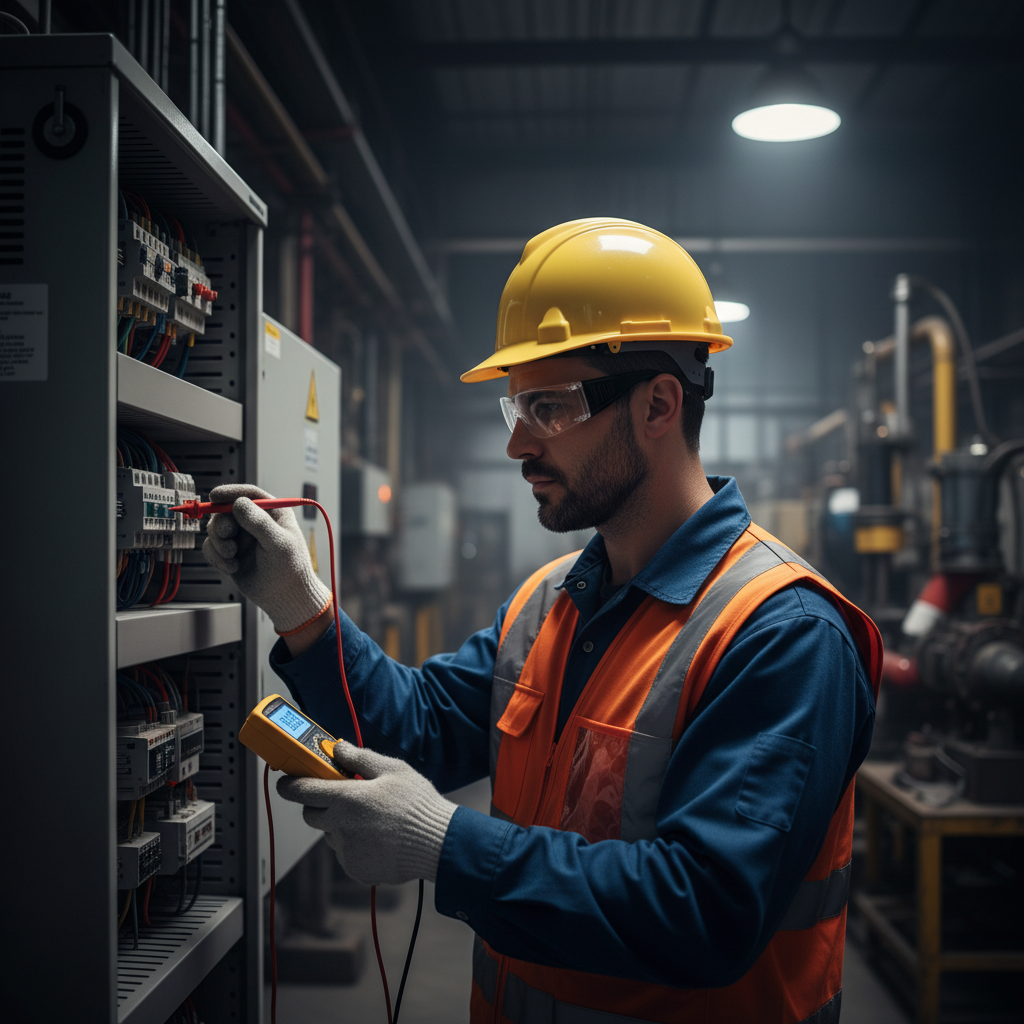
One of the simplest DIY checks you can perform is inspecting your circuit breakers. If you've lost power in certain areas of your home, a tripped breaker might be the cause. Open your breaker box and look for any switches that are not aligned with the others. If you find one, switch it off and then back on. This might solve your issue without any further intervention.
Inspecting Electrical Outlets
Electrical outlets are another common source of problems. Test each outlet with a small appliance or a lamp to ensure they are working correctly. If an outlet isn't providing power, check if it's a GFCI outlet and try resetting it. To reset a GFCI outlet, simply press the "reset" button located between the sockets.
Look for Signs of Wear and Tear
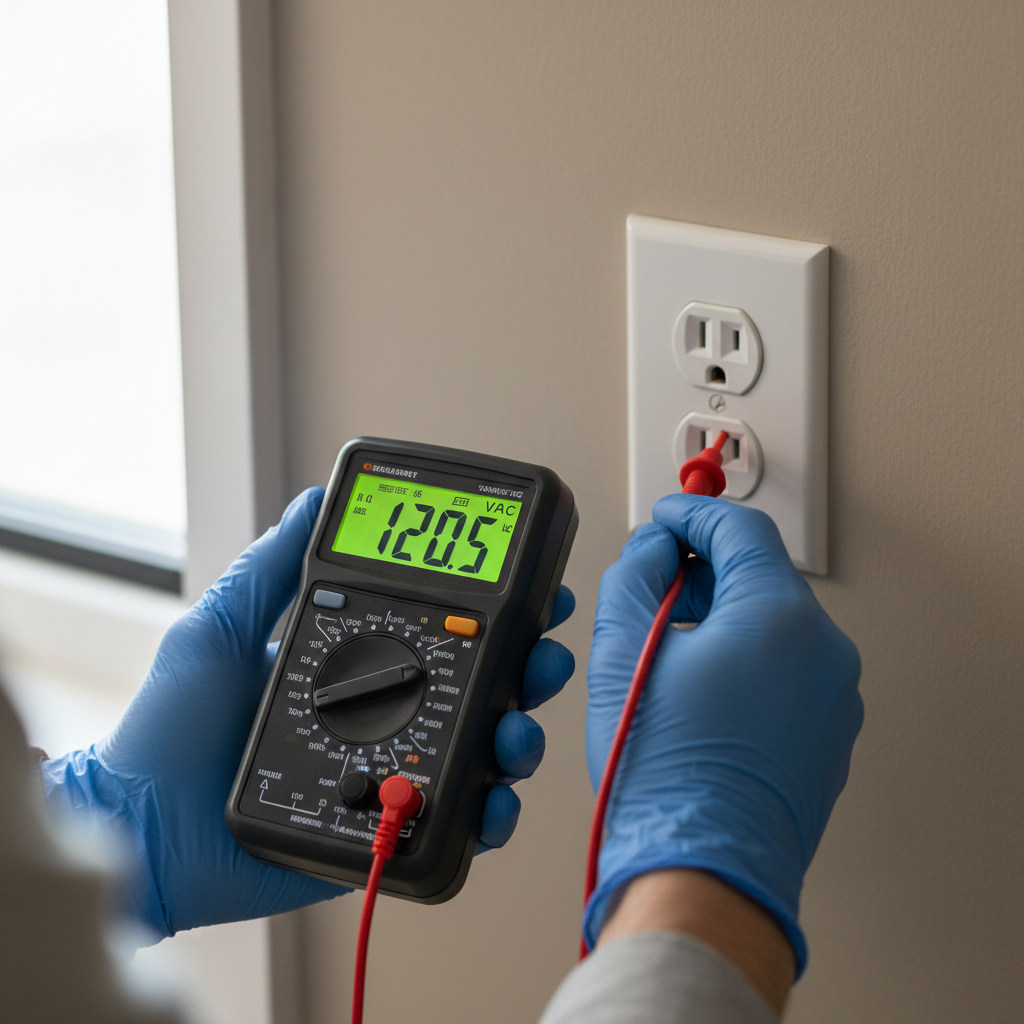
When examining outlets, it's also essential to look for signs of wear and tear. Cracked or discolored outlets can indicate overheating or other electrical issues. In such cases, it's best to avoid using that outlet until it has been inspected by a professional.
Testing Light Switches
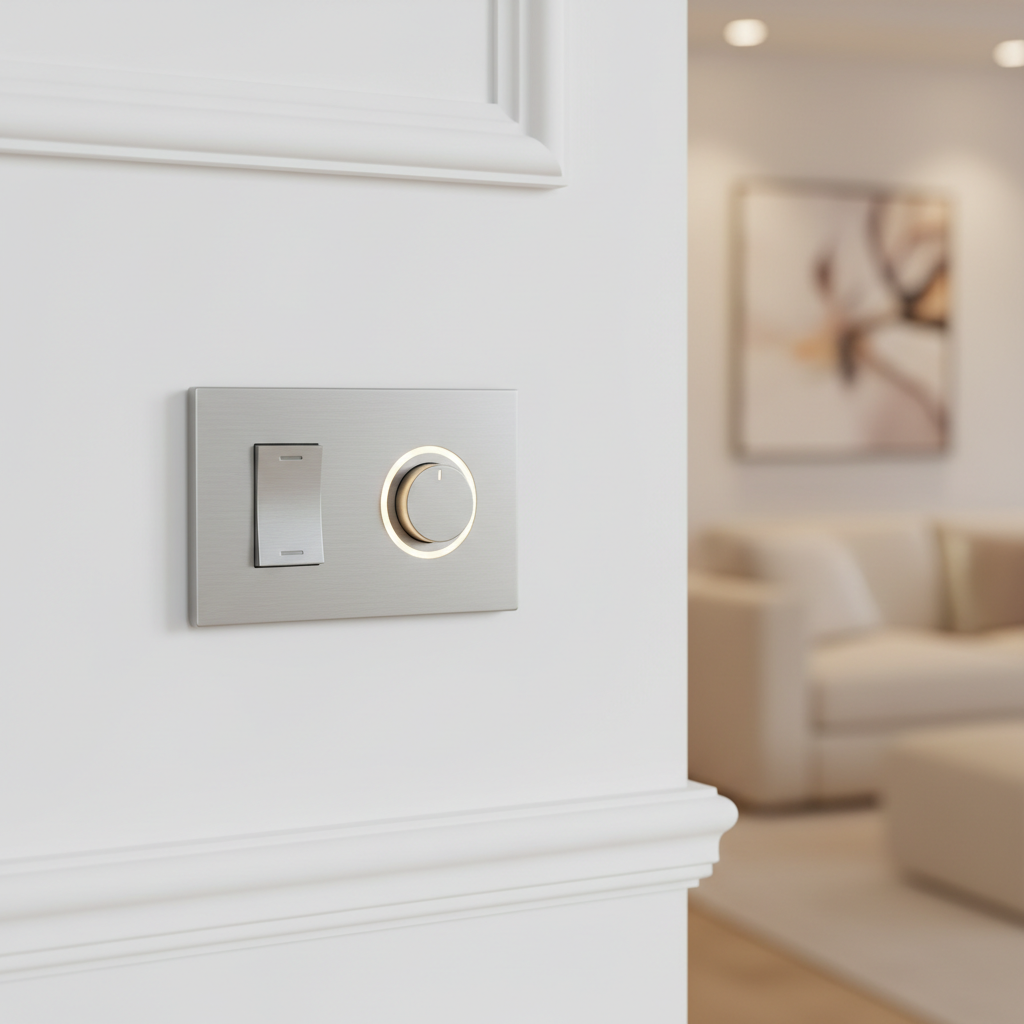
Light switches are another area where DIY checks can be beneficial. If a light isn't turning on, first check the bulb to ensure it's not burnt out. If the bulb is fine, the switch may be the issue. Listen for any buzzing sounds or feel for heat, as these are signs of electrical problems that may require professional attention.
Using a Multimeter
If you're comfortable with basic tools, a multimeter can be a valuable asset. It allows you to measure voltage, current, and resistance. Use it to test outlets and switches to ensure they are functioning correctly. Always follow the manufacturer's instructions when using a multimeter to ensure accurate readings and to avoid any safety hazards.
Check Extension Cords and Power Strips
Extension cords and power strips can also cause electrical problems if they're not used correctly. Inspect them for any signs of damage, such as fraying or exposed wires. Ensure they're not overloaded, as overloading can lead to overheating and potential fires. When in doubt, replace damaged cords.
When to Call a Professional
While these DIY checks can help identify and sometimes solve minor issues, there are times when it's best to call a professional electrician. If you encounter any burnt smells, frequent tripping breakers, or if your DIY checks don't resolve the problem, it's time to seek expert help. Remember, it's always better to be safe than sorry when it comes to electrical work.