
DIY Electrical Safety Checks: What You Can Do Before Calling an Electrician


Understanding the Importance of Electrical Safety
Electrical safety is a critical aspect of home maintenance. While it's always advisable to consult a professional electrician for complex issues, there are certain DIY electrical safety checks you can perform. These checks can help prevent hazards and ensure your home remains a safe environment.
Inspecting Your Outlets
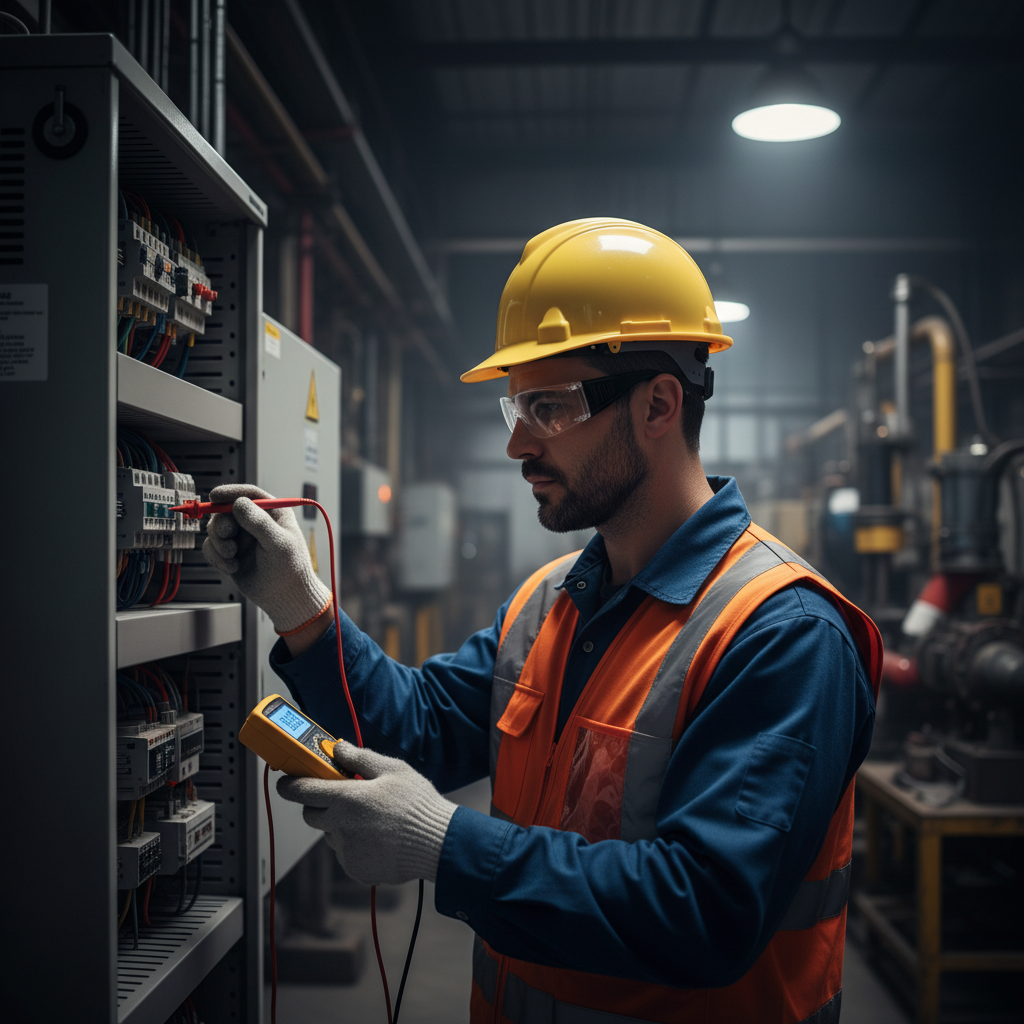
Outlets are a common source of electrical problems. Start by checking for any discoloration or warmth, as these can be signs of faulty wiring. Ensure that outlet covers are intact and not cracked. If you notice any buzzing sounds, it's time to consider a professional inspection.
Use a plug tester to verify that outlets are wired correctly. This tool can help identify issues like reversed polarity or open grounds, which could pose safety risks.
Checking Circuit Breakers
Your circuit breaker panel is the heart of your home's electrical system. Regularly inspect it to ensure all breakers are properly labeled and not tripped. If you frequently experience tripped breakers, it could indicate an overload or short circuit that needs professional attention.
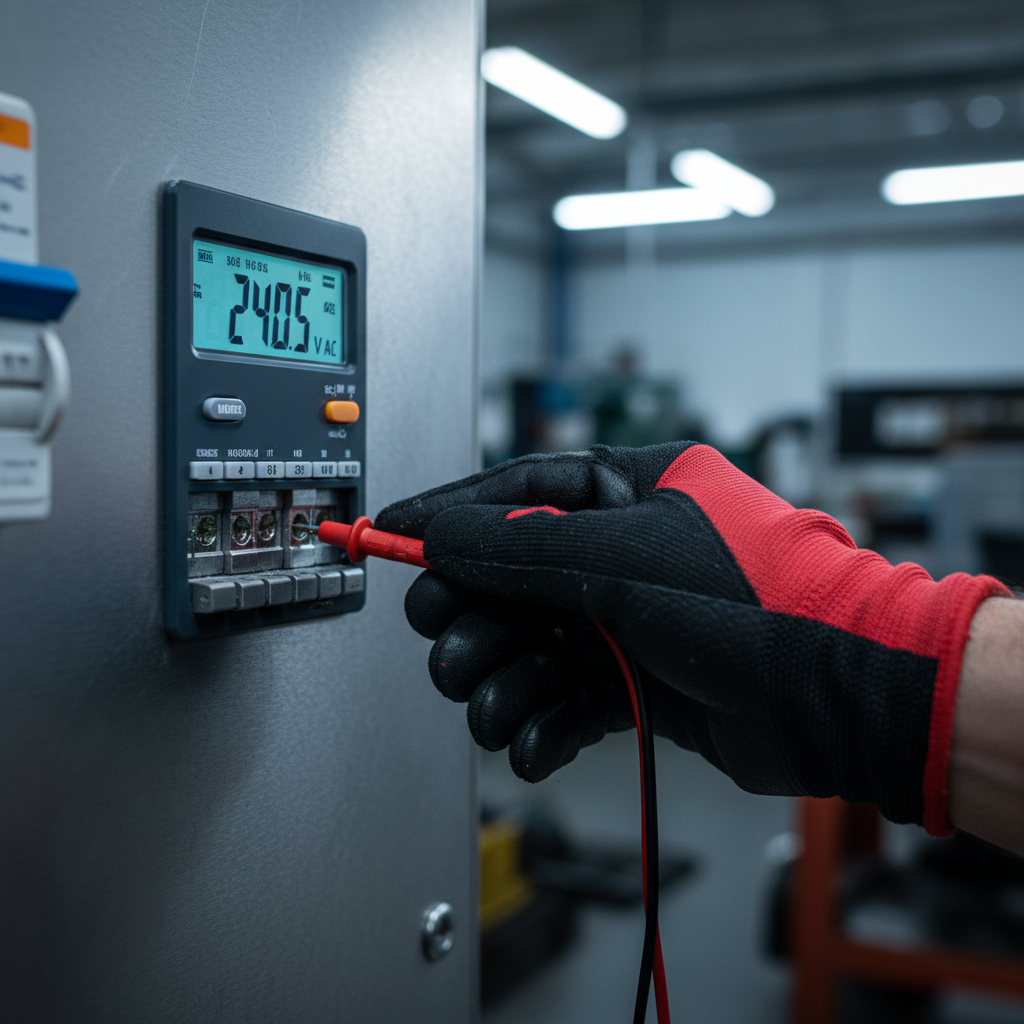
Occasionally test your circuit breakers to make sure they reset correctly. This simple step can help you catch potential problems before they escalate.
Examine Cords and Extension Leads
Frayed or damaged cords can be hazardous. Regularly check all electrical cords in your home, including extension leads. Look for signs of wear and tear, and replace any damaged cords immediately. Avoid running cords under carpets or through doorways, as this can cause deterioration over time.
- Ensure cords are not pinched by furniture.
- Unplug cords by the plug, not the cord itself.
- Use cords that are appropriate for the appliance's power needs.
Lighting and Fixtures
Inspect light fixtures for any flickering or dimming issues. Ensure that bulbs are the correct wattage for the fixture to prevent overheating. Regularly clean fixtures to avoid dust buildup, which can exacerbate heating problems.
Consider replacing older incandescent bulbs with energy-efficient LED alternatives. This simple upgrade can reduce energy consumption and heat output, enhancing safety.
Smoke Detectors and Alarms
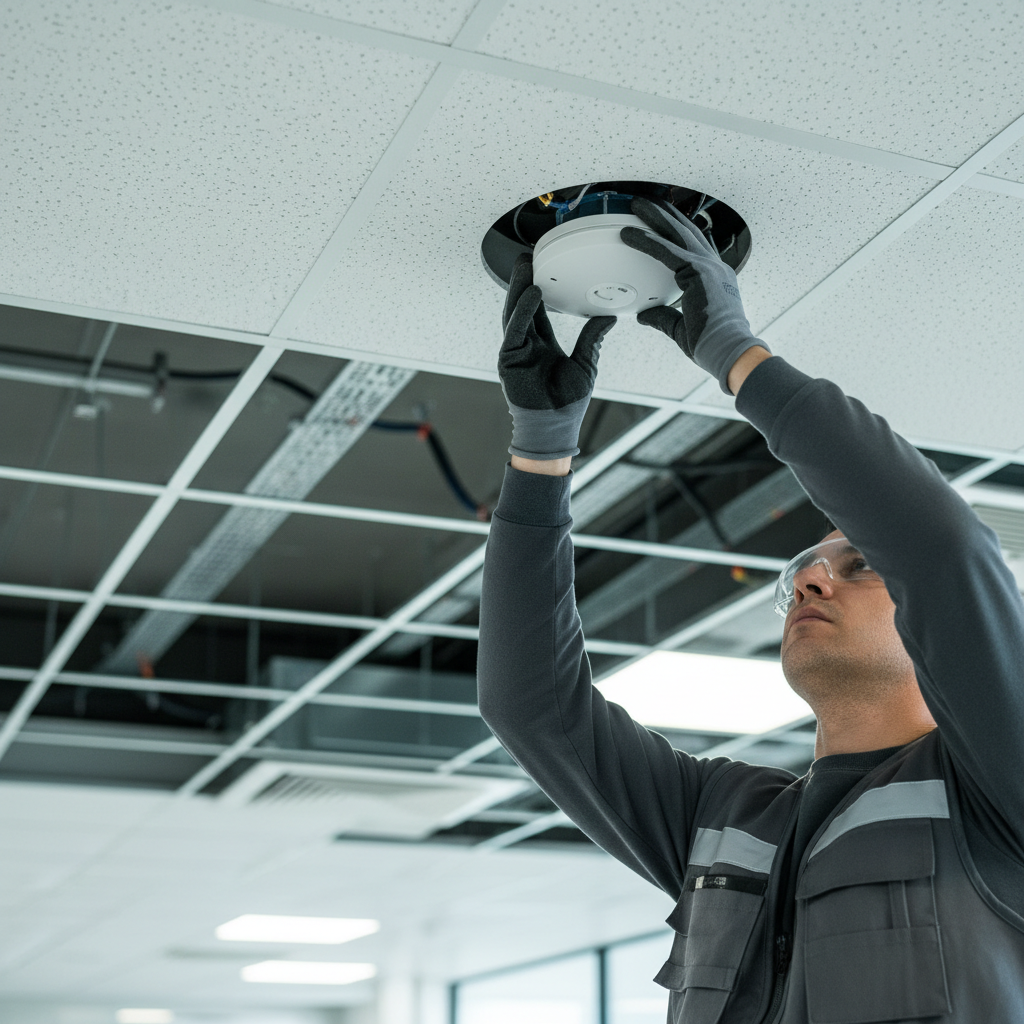
Smoke detectors are essential for home safety. Regularly test each unit by pressing the test button. Replace batteries at least once a year, and ensure detectors are free from dust and debris. Consider installing a carbon monoxide detector if you use gas appliances.
Knowing When to Call a Professional
While these DIY checks are beneficial, some issues require the expertise of a professional electrician. If you encounter persistent problems, unusual odors, or signs of burning, it's crucial to seek expert help. Prioritizing electrical safety protects both your home and your loved ones.