
DIY Electrical Safety Tips for Australian Homeowners


When it comes to DIY electrical projects in your home, safety should always be your top priority. While tackling electrical tasks can be rewarding, it's crucial to follow proper safety guidelines to protect yourself and your property.
Understanding the Basics
Before starting any electrical work, it's essential to have a basic understanding of how electricity works. Familiarize yourself with your home's electrical system, including the circuit breaker panel, and the location of main switches. Knowing these can help you in emergencies.
It's important to ensure that all your tools and equipment are in good condition. Using damaged tools can lead to accidents. Always use tools that are specifically designed for electrical work, as they provide better insulation and protection.
Turn Off the Power
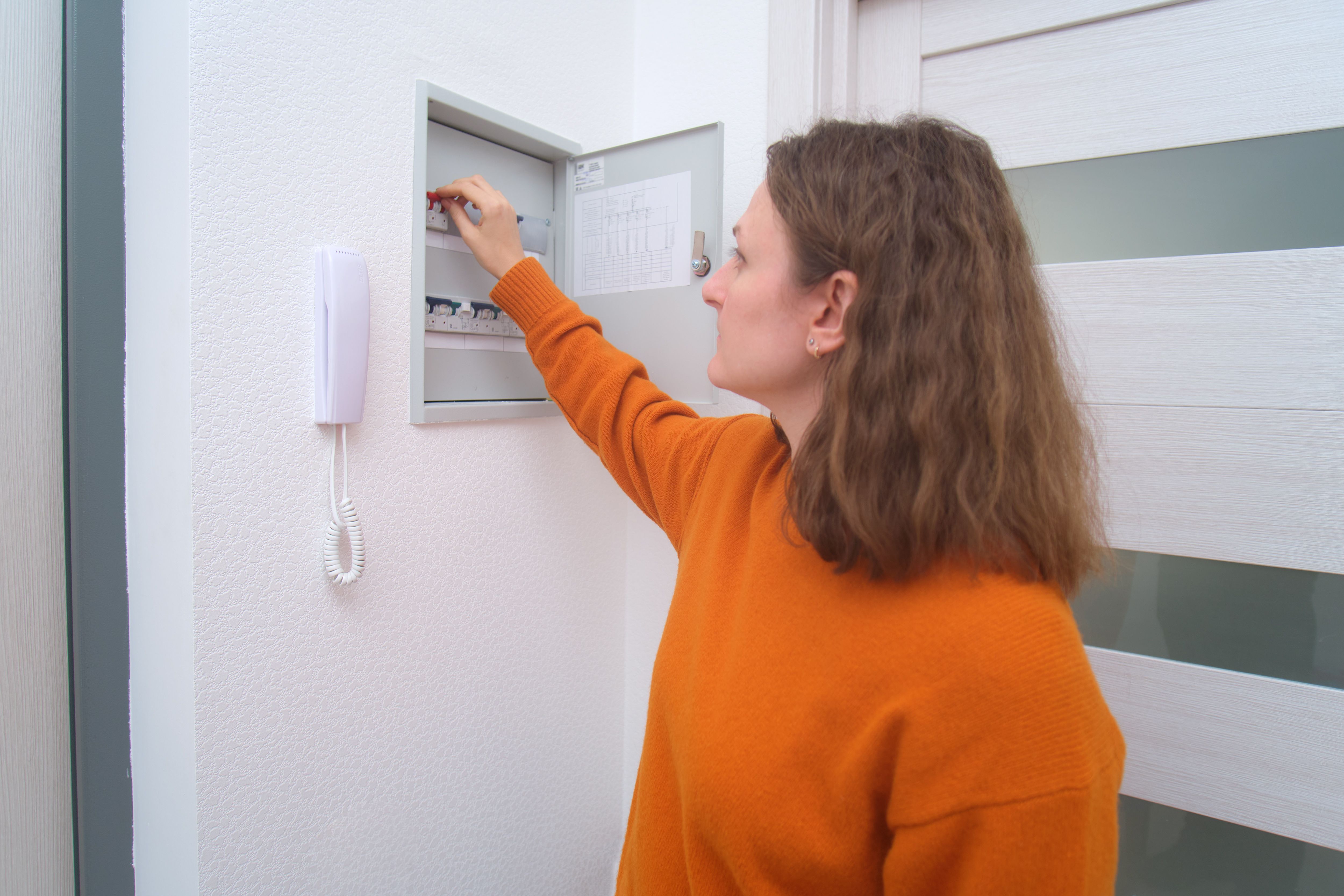
One of the most crucial steps before working on any electrical project is to turn off the power. This can be done by switching off the circuit breaker for the area you'll be working in. Double-check that the power is off by using a voltage tester.
Always label your circuit breakers correctly. This will save you time and help you avoid turning off the wrong circuit. It's a simple step that can prevent a lot of confusion and potential hazards.

Use the Right Safety Gear
Wearing the right safety gear is essential when working with electricity. Insulated gloves and safety goggles should be part of your standard equipment. These items help protect you from electric shocks and potential flying debris.
Additionally, make sure you're wearing rubber-soled shoes, which provide extra insulation between you and the ground, reducing the risk of electrical shock.
Avoid Overloading Circuits
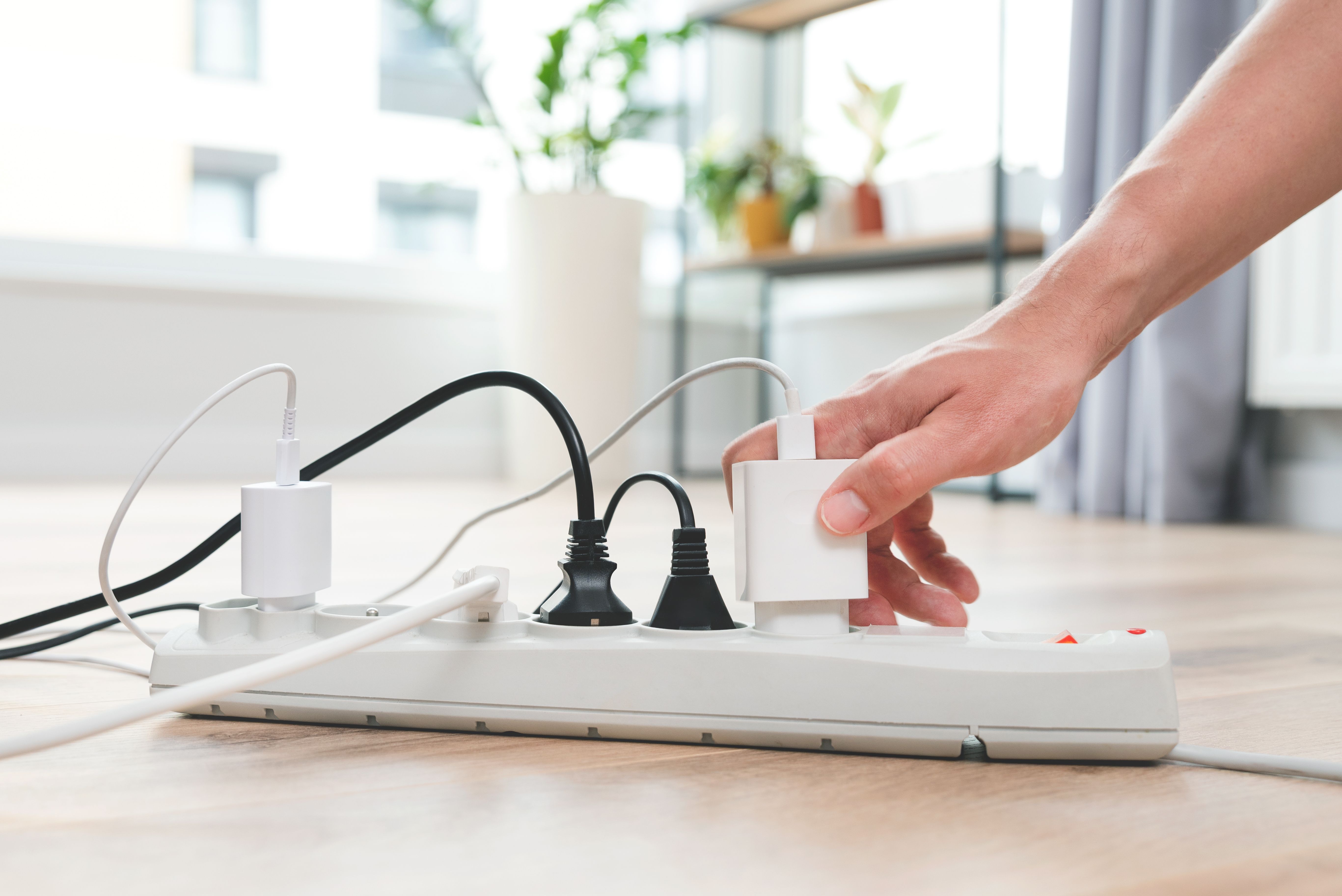
Overloading circuits is a common problem that can lead to electrical fires. Be mindful of the number of devices plugged into a single outlet. If you're planning to add more appliances, consider installing additional circuits to accommodate them.
Using power strips with built-in circuit breakers can help prevent overload by automatically shutting off if the current becomes too high.
Seek Professional Help When Needed
While DIY projects can save money, it's important to recognize your limits. If a project seems too complicated or dangerous, don't hesitate to call a licensed electrician. They have the expertise to handle complex tasks safely and efficiently.
Remember, electrical work in certain areas, like bathrooms and kitchens, may require professional intervention due to the increased risk of water exposure.
By following these DIY electrical safety tips, Australian homeowners can ensure their projects are completed safely, reducing the risk of accidents and damage.