
DIY Electrical Tips for Homeowners: What You Can Do Safely


Understanding Basic Electrical Safety
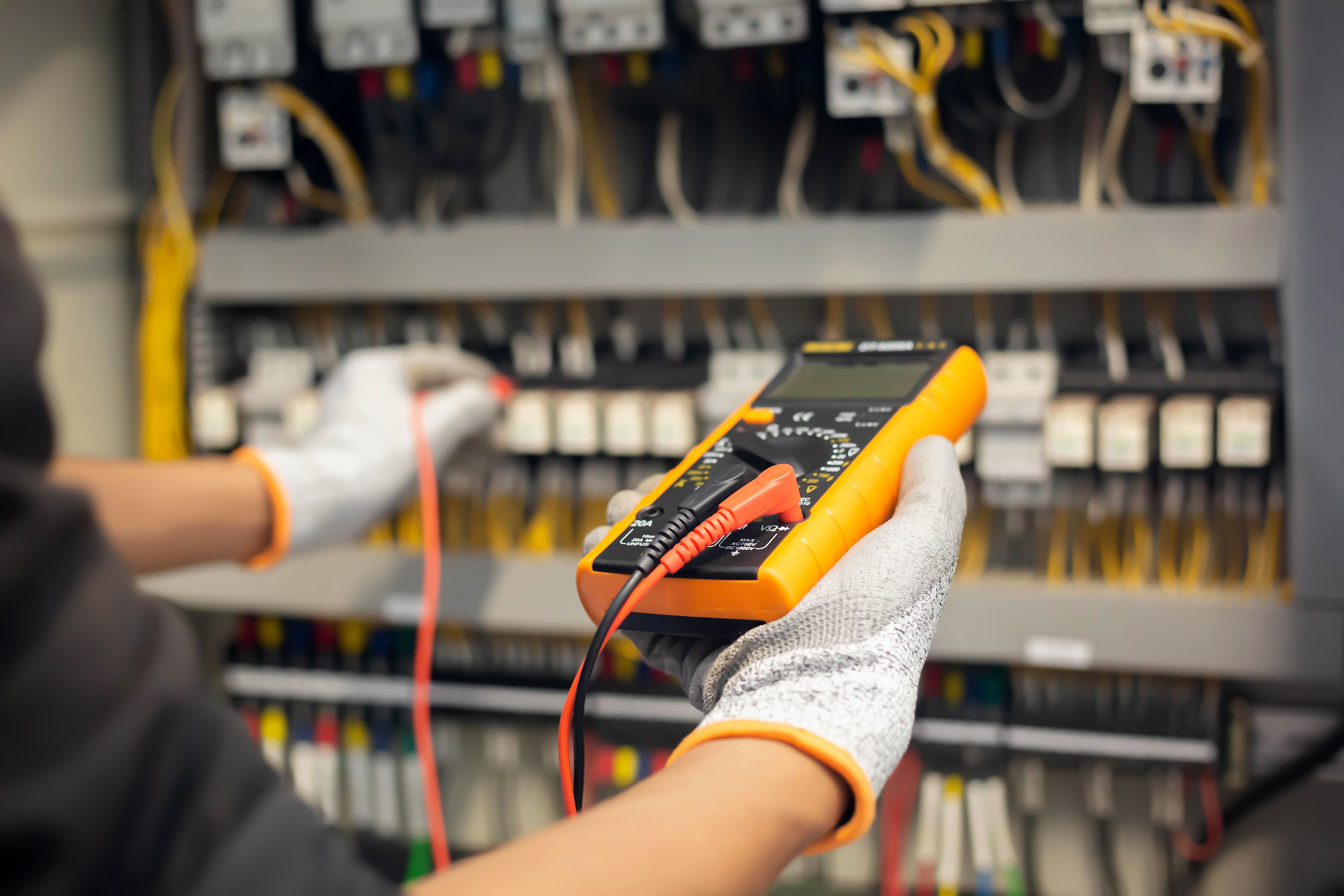
Before diving into any DIY electrical project, it's crucial to understand the basics of electrical safety. Always turn off the power at the circuit breaker before starting any work. This simple step can prevent shocks and other accidents. Additionally, use a voltage tester to ensure no electricity is flowing before touching wires or outlets.
Tools You’ll Need
Having the right tools is essential for any electrical task. Some basic tools include a screwdriver set, wire strippers, needle-nose pliers, and a voltage tester. Investing in quality tools can make your work safer and more efficient. These tools will help you tackle common issues like replacing outlets or light fixtures.
Replacing a Light Switch
Replacing a light switch is one of the simpler tasks you can do yourself. First, ensure the power is off and remove the switch cover plate. Unscrew the old switch and disconnect the wires. Connect the wires to the new switch, making sure they are secure. Finally, screw the switch back into the wall and replace the cover plate.

Fixing a Blown Fuse
Dealing with a blown fuse is a common household issue. Start by locating your fuse box and identifying the blown fuse. Replace it with a new fuse of the same rating. If fuses blow frequently, it may indicate a bigger problem, such as overloaded circuits, that might require professional help.
Installing a Ceiling Fan
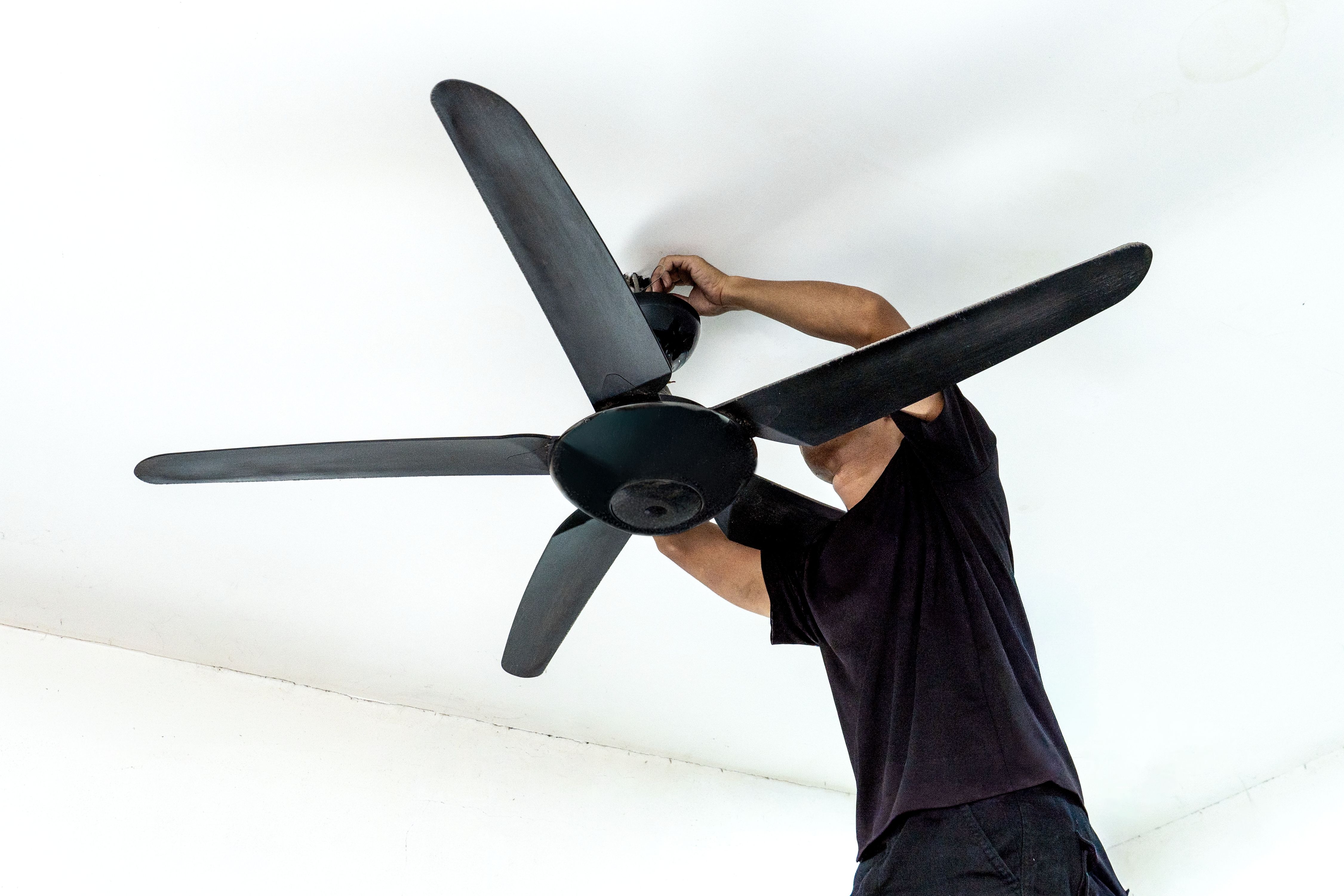
Installing a ceiling fan can improve air circulation in your home. Ensure the power is off and follow the manufacturer's instructions carefully. Secure the mounting bracket, connect the wiring, and attach the fan blades. Be sure the fan is balanced to avoid wobbling when in use.
Understanding When to Call a Professional
While many electrical tasks can be completed safely by homeowners, some jobs should be left to professionals. Tasks involving the main electrical panel, rewiring, or dealing with complex systems require expertise. If you're ever unsure about a project, it's wise to consult a licensed electrician.
- Complex wiring issues
- Main panel upgrades
- Outdoor electrical work
Conclusion
DIY electrical work can be both rewarding and cost-effective if done safely. Always prioritize safety by turning off the power and using the right tools. For tasks beyond your skill level, don't hesitate to call in a professional. By following these tips, you can handle minor electrical repairs and installations with confidence.