
Essential Home Electrical Maintenance Tips for Homeowners


Understanding Your Home's Electrical System
Maintaining your home's electrical system is crucial for ensuring safety and efficiency. It's essential to have a basic understanding of how your electrical system works. This includes knowing the location of the main electrical panel, circuit breakers, and how to switch them on and off. Regular maintenance can prevent potential hazards and costly repairs.
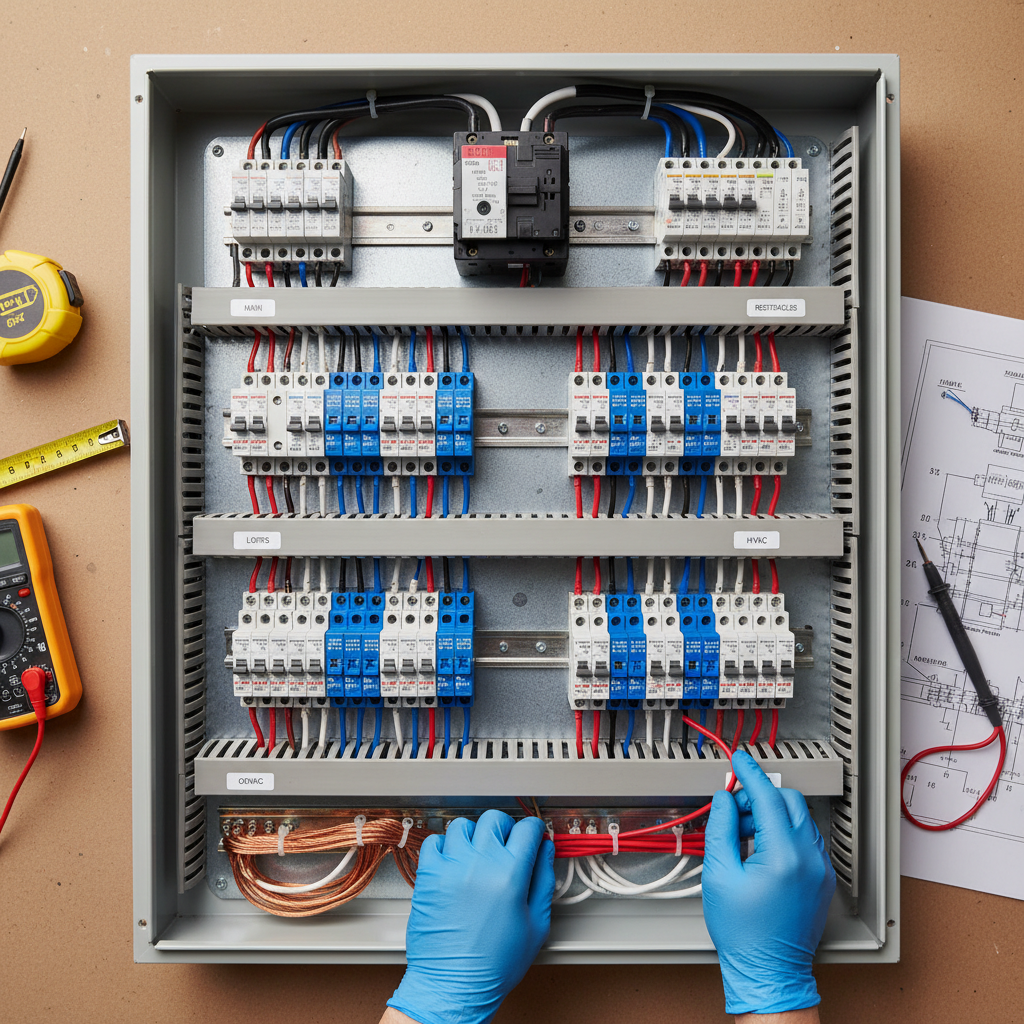
Regular Inspection of Wiring
One of the most important aspects of electrical maintenance is regularly inspecting your home's wiring. Look for any signs of wear and tear, such as frayed wires, scorch marks, or a burning smell. If you notice any of these signs, it's vital to contact a licensed electrician immediately. Ensuring your wiring is in good condition helps prevent electrical fires and other hazards.
Testing and Replacing Outlets
Outlets are another critical component of your home's electrical system that require regular attention. Test each outlet by plugging in a small appliance to ensure they are working correctly. If an outlet is warm to the touch or not functioning, it may need to be replaced. Consider upgrading to GFCI outlets in areas prone to moisture, such as kitchens and bathrooms, for added safety.
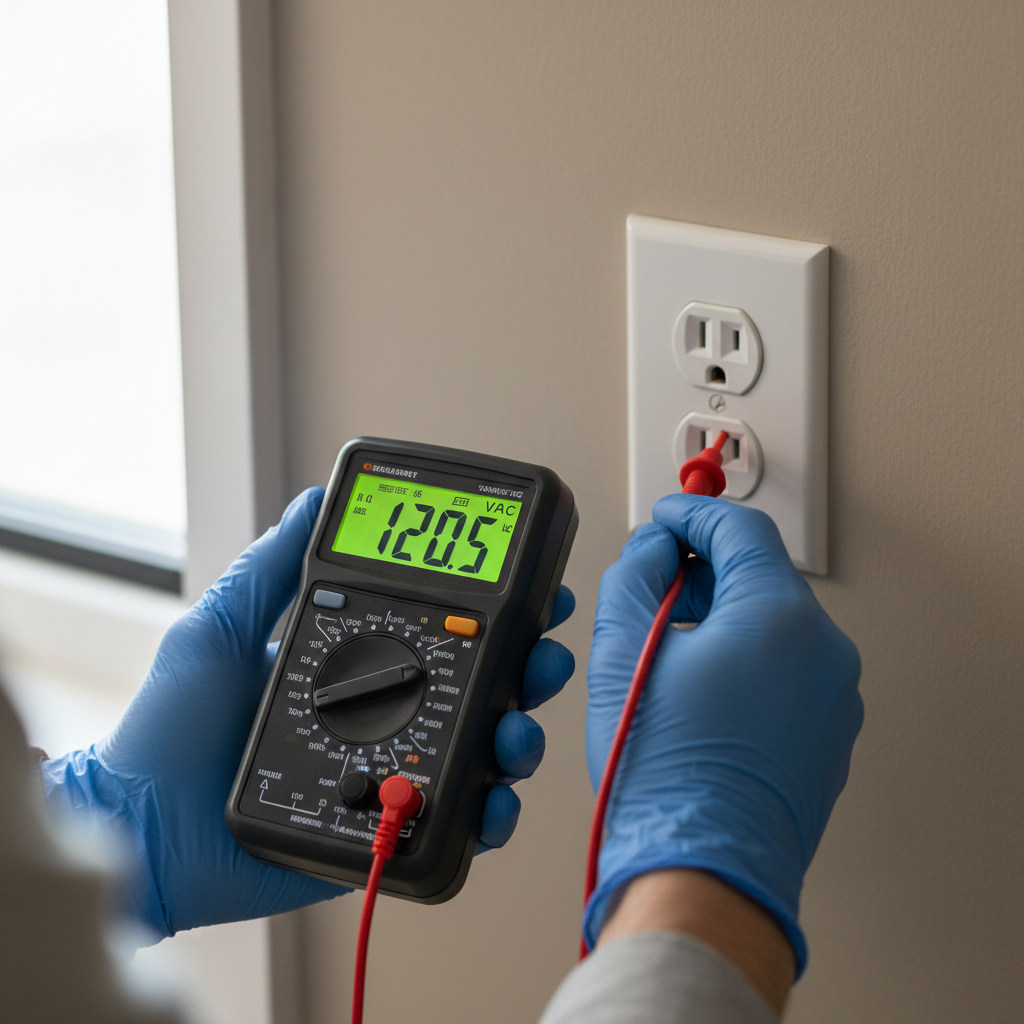
Maintaining Circuit Breakers
Circuit breakers are designed to trip and protect your home from electrical overloads. It’s important to test them periodically to ensure they function correctly. To test a circuit breaker, manually flip it off and back on. If it doesn't reset or frequently trips, it might be time to consult a professional.
Safe Use of Extension Cords
Extension cords are handy but can pose risks if not used correctly. Avoid overloading them and ensure they are not running under carpets or through high-traffic areas where they can become damaged. Use them as a temporary solution and consider installing additional outlets for long-term needs.
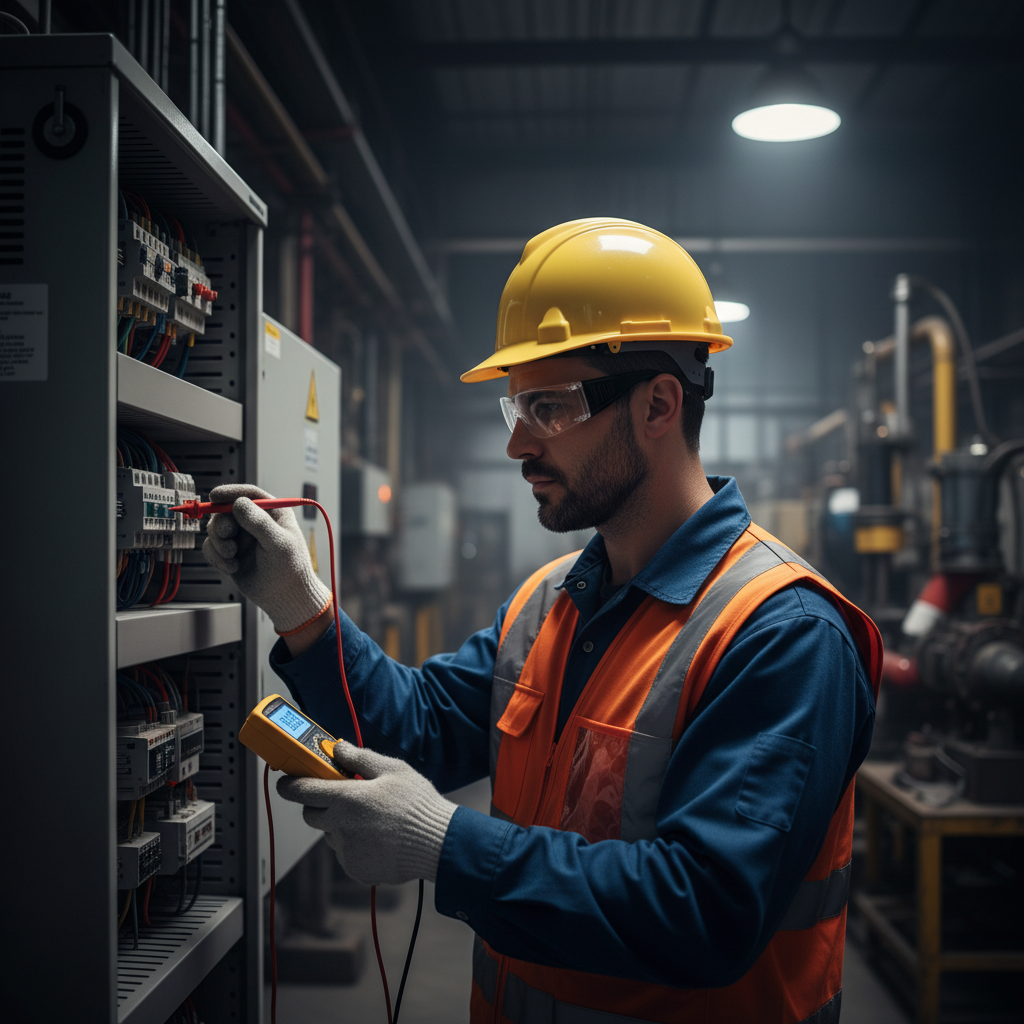
Lighting Maintenance
Regularly check all light fixtures and replace any burnt-out bulbs promptly. Dust and clean fixtures to prevent overheating and ensure optimal performance. When replacing bulbs, opt for energy-efficient options like LEDs, which last longer and consume less electricity.
Installing Smoke and Carbon Monoxide Detectors
Smoke and carbon monoxide detectors are vital for home safety. Ensure they are installed on every level of your home and test them monthly. Replace batteries annually and follow the manufacturer's guidelines for replacing the entire unit, usually every 7-10 years.
By following these essential home electrical maintenance tips, you can enhance the safety and efficiency of your electrical system. Regular inspections and timely repairs will save you money in the long run and provide peace of mind.