
Expert Advice: Common Electrical Issues in Australian Homes and How to Fix Them


Understanding Common Electrical Issues
Electrical issues in Australian homes can be both a nuisance and a safety hazard. Understanding the common problems and knowing how to address them can help you maintain a safe and efficient household. From flickering lights to overloaded circuits, being informed is the first step in preventing potential dangers.
While some issues may require professional intervention, others can be managed with a bit of DIY knowledge. In this post, we’ll explore some typical electrical problems and offer advice on how to fix them.
Flickering Lights
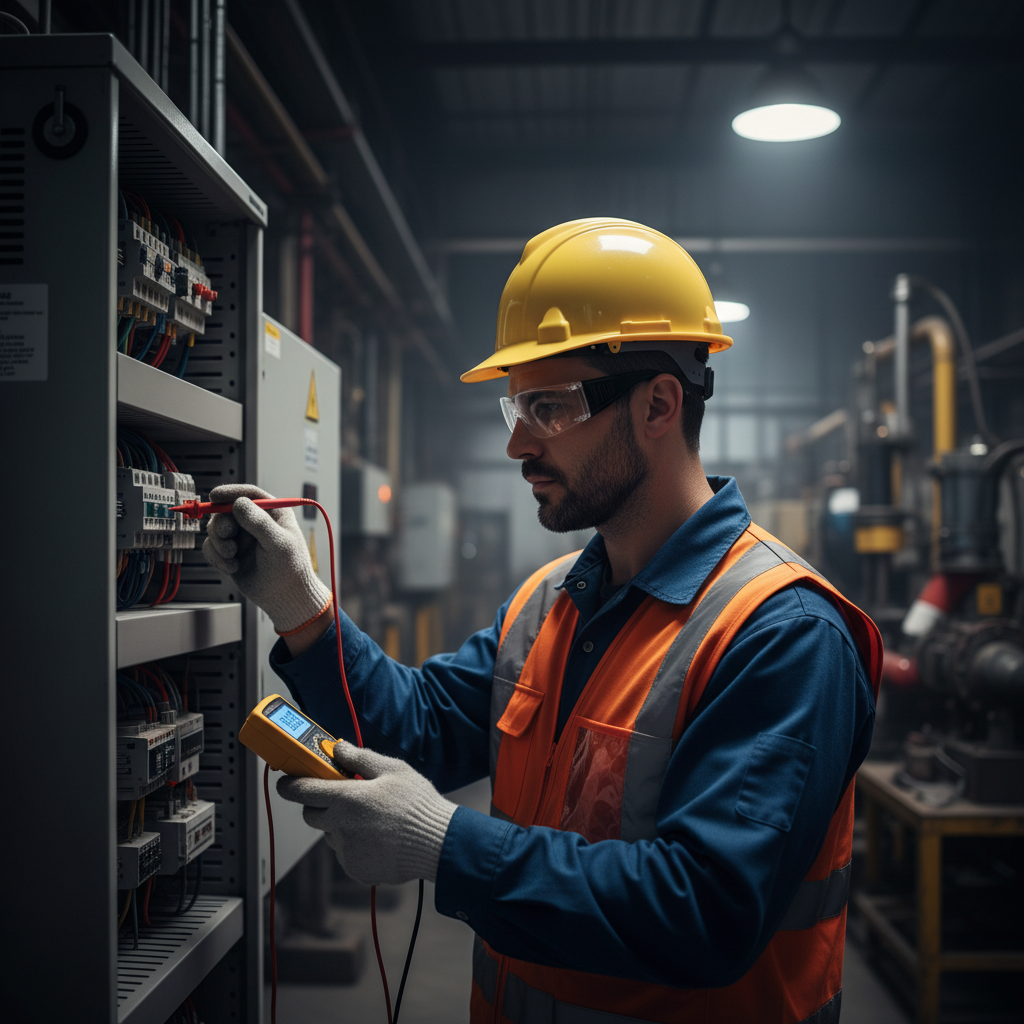
Flickering lights are a common issue that can be caused by several factors. The most frequent cause is a loose bulb or a poor connection. To fix this, try tightening the bulb or replacing it with a new one. If the problem persists, it might be a sign of a faulty light fixture or wiring issues, which should be checked by a professional.
Another possible cause is voltage fluctuation. Inconsistent voltage can lead to lights flickering, and it's often a sign that your electrical system needs an upgrade. Consult with an electrician to assess and resolve any voltage issues.
Overloaded Circuits
Overloaded circuits occur when too many appliances are plugged into a single circuit, causing it to trip. This issue is prevalent in older homes where the electrical system wasn’t designed for modern electrical demands. To avoid this, distribute the load by using different outlets for high-power devices such as heaters and air conditioners.
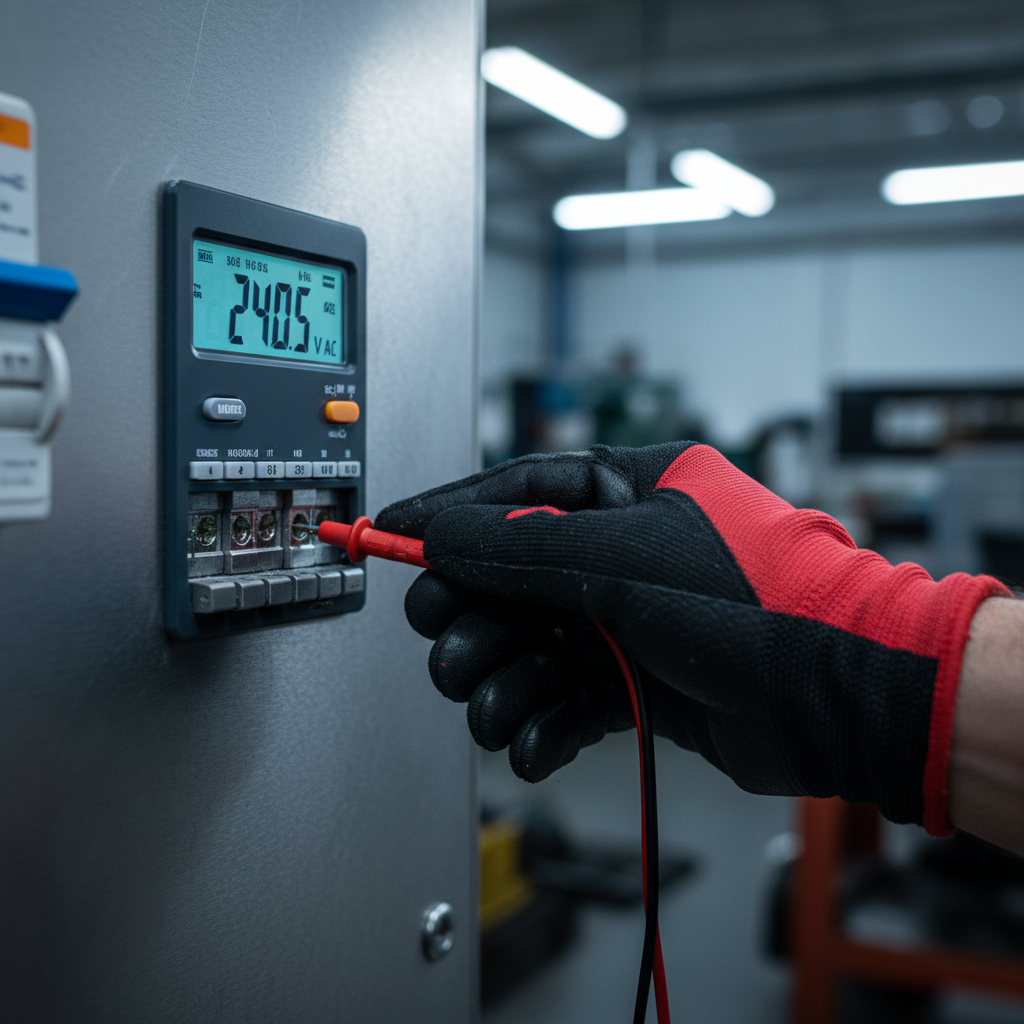
If your circuit breaker frequently trips, it might be time to upgrade your electrical panel. This task should only be performed by a licensed electrician to ensure safety and compliance with local regulations.
Power Outlets Not Working
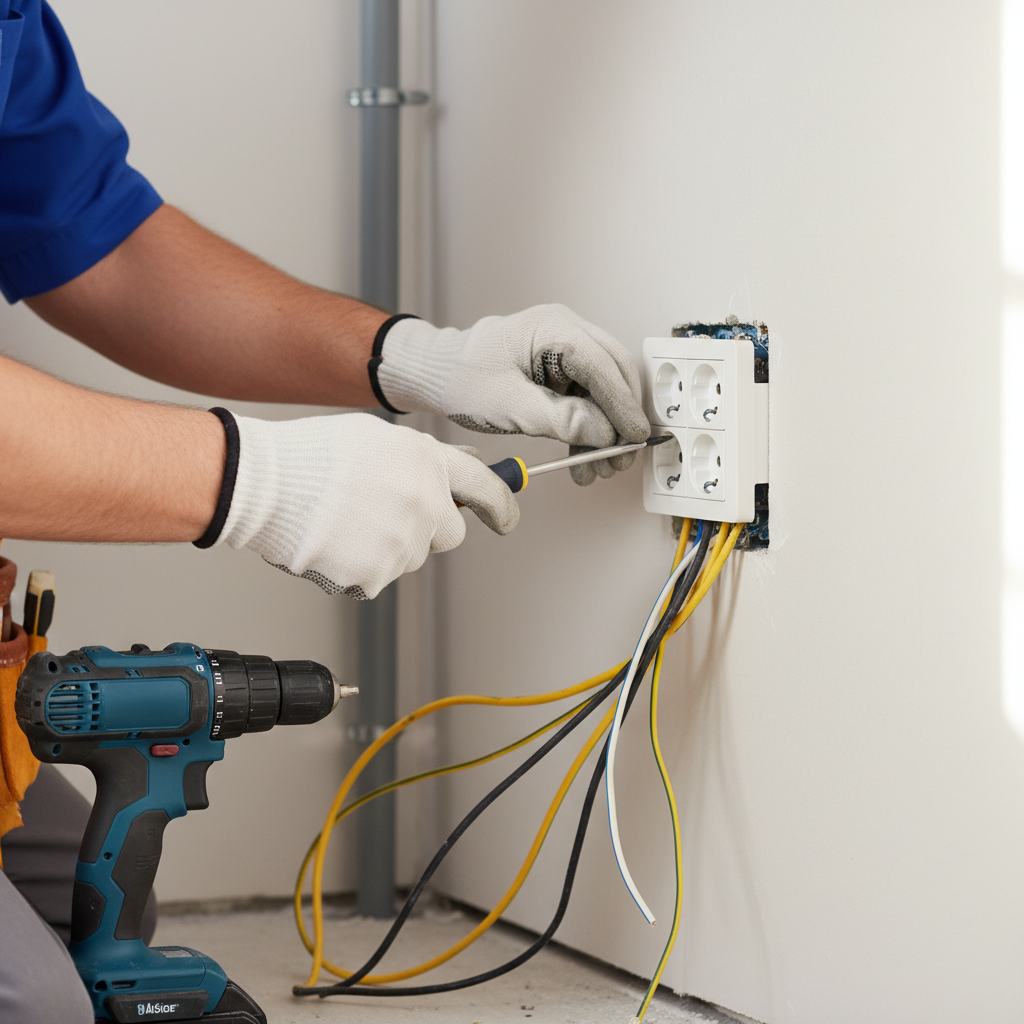
When a power outlet stops working, the first step is to check the circuit breaker to see if it has tripped. Resetting the breaker might solve the issue. If the outlet still doesn’t work, it could be due to a faulty outlet or wiring problems.
For DIY enthusiasts, replacing a faulty outlet can be a straightforward task, but it’s crucial to turn off the power at the breaker box before starting. If you’re unsure or uncomfortable, it’s best to call a professional electrician.
Electrical Surges
Electrical surges can be caused by lightning strikes, damaged power lines, or poorly wired houses. Frequent surges can damage appliances and shorten their lifespan. To protect your home, consider using surge protectors or installing a whole-home surge protection system.
It’s also wise to unplug devices during a storm to prevent surge damage. For frequent surges, have an electrician inspect your wiring to identify and fix any underlying issues.
Conclusion
Understanding and addressing common electrical issues can keep your home safe and efficient. While some problems can be resolved with simple fixes, others require professional expertise. Always prioritize safety and consult an electrician when in doubt. By taking these steps, you can ensure that your home remains free from electrical hazards.