
Expert Advice: How to Prevent Electrical Emergencies in Your Home


Understanding Electrical Emergencies
Electrical emergencies in the home can pose significant risks, including fires, shocks, and damage to appliances. To ensure the safety of your household, it is crucial to understand the common causes and preventive measures for these emergencies. By being proactive, you can prevent many potential hazards before they occur.
Regular Inspections and Maintenance
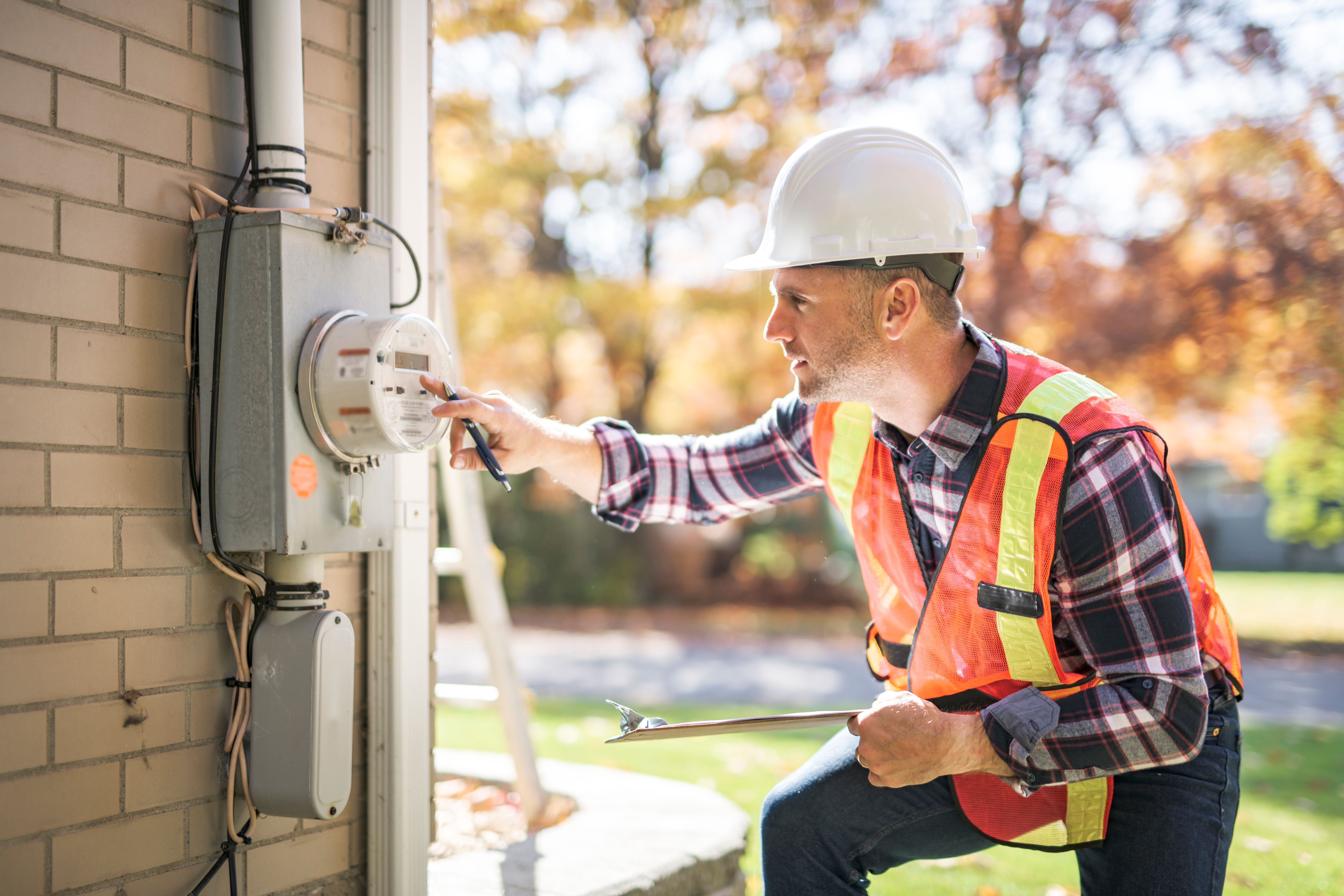
One of the most effective ways to prevent electrical emergencies is through regular inspections and maintenance. Hiring a qualified electrician to check your home's electrical system annually can help identify potential issues. They can inspect wiring, outlets, and circuit breakers to ensure everything is functioning properly.
DIY Checks You Can Perform
In addition to professional inspections, there are simple checks you can perform yourself. Look for signs of wear on cords and outlets, such as fraying or discoloration. Make sure outlets are not overloaded, and replace any damaged or outdated components immediately.
Investing in Quality Components
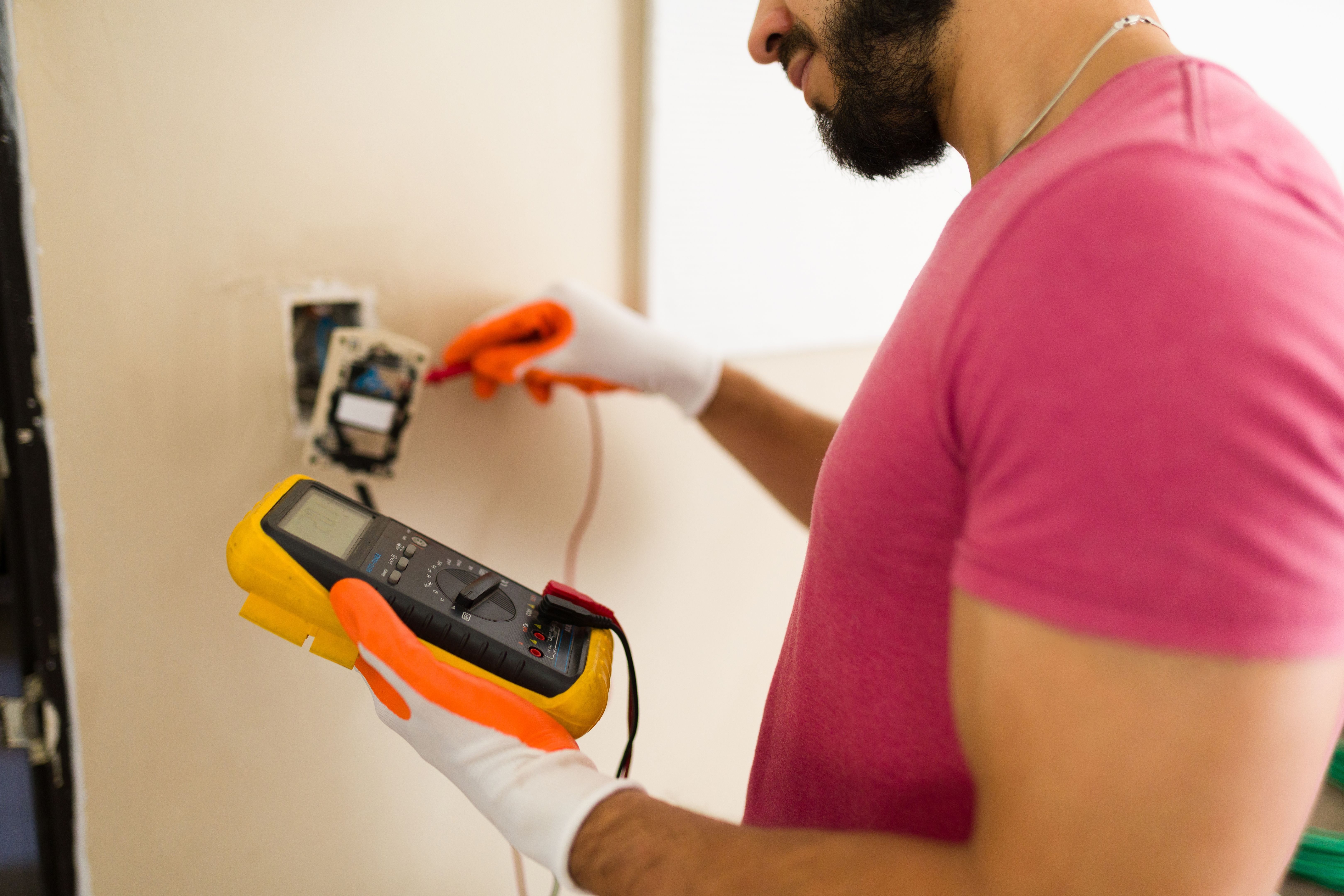
Using high-quality electrical components is essential for safety. Ensure that all electrical products, such as power strips and extension cords, are certified by recognized safety organizations. Avoid using cheap, unbranded items that may not meet safety standards.
Choosing the Right Appliances
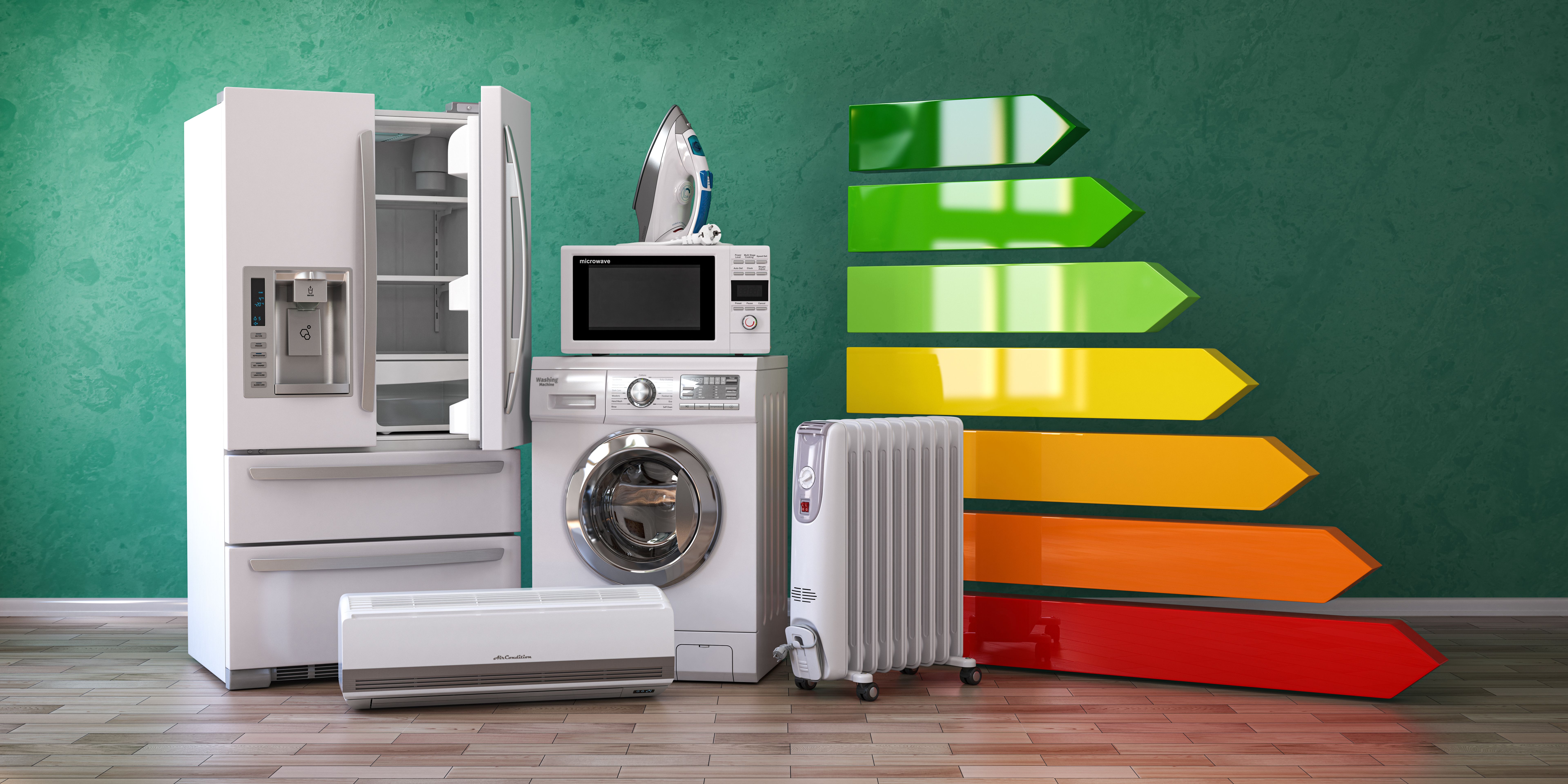
When purchasing appliances, opt for energy-efficient models with safety features like automatic shut-off. These not only reduce the risk of electrical emergencies but also save on energy costs in the long run.
Implementing Safety Practices
Adopting safe practices can significantly reduce the risk of electrical emergencies. Teach family members about the dangers of electricity and establish rules such as not using electrical devices near water. Always unplug appliances when not in use and avoid running cords under rugs or furniture.
Preparing for Emergencies
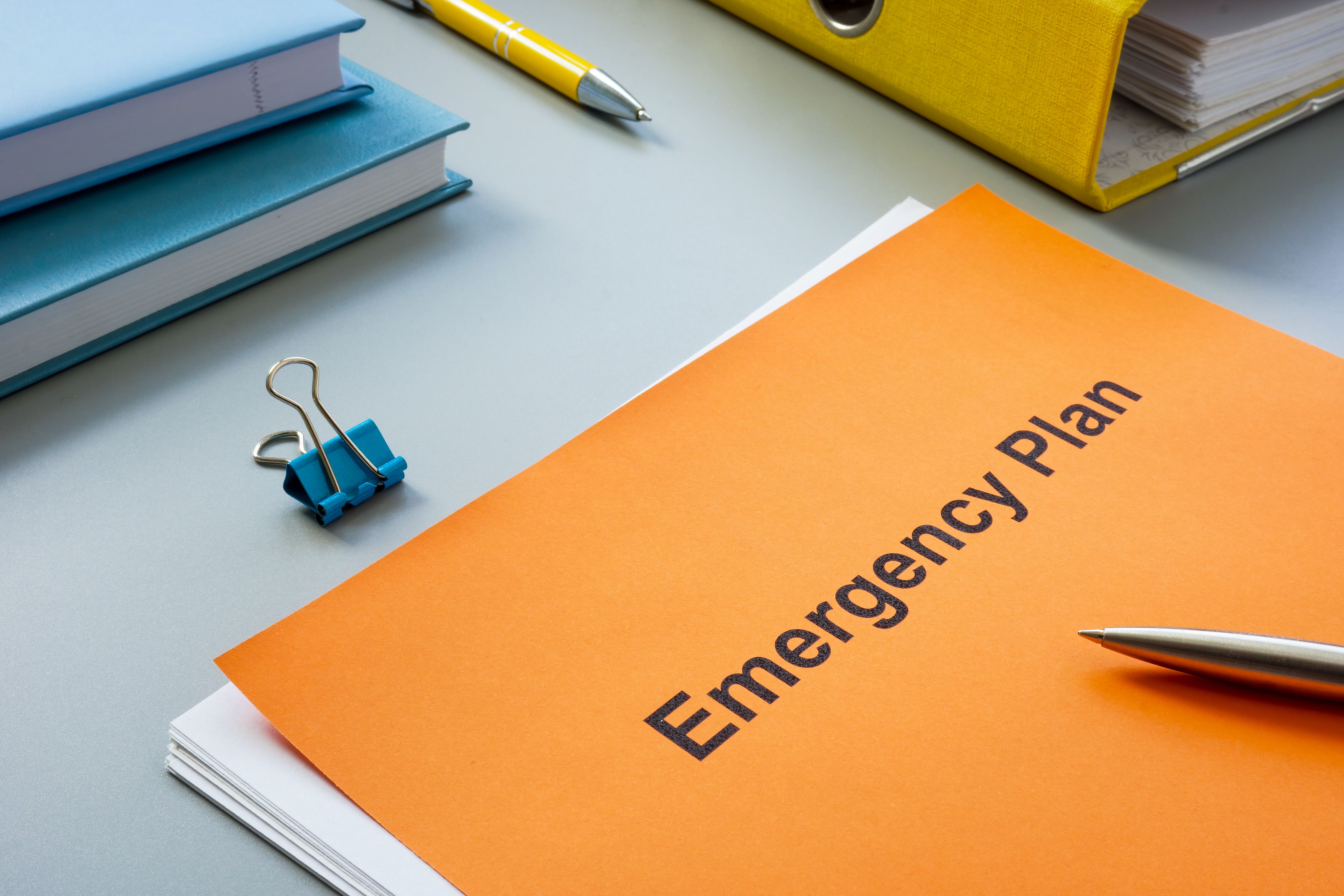
Despite all precautions, emergencies can still occur. Equip your home with smoke detectors and fire extinguishers, and ensure everyone knows how to use them. Have an emergency plan in place, including contact information for local electricians and emergency services.
Conclusion
Preventing electrical emergencies requires a combination of vigilance, regular maintenance, and education. By understanding the risks and taking proactive steps, you can protect your home and loved ones from potential electrical hazards. Remember, safety always comes first.