
How to Choose the Right Home Automation System for Your Needs


Understanding Home Automation Systems
Home automation systems are revolutionizing how we interact with our living spaces. By integrating technology into daily tasks, these systems can enhance convenience, improve security, and even save on energy costs. But with so many options available, selecting the right system can be daunting.
Identify Your Needs
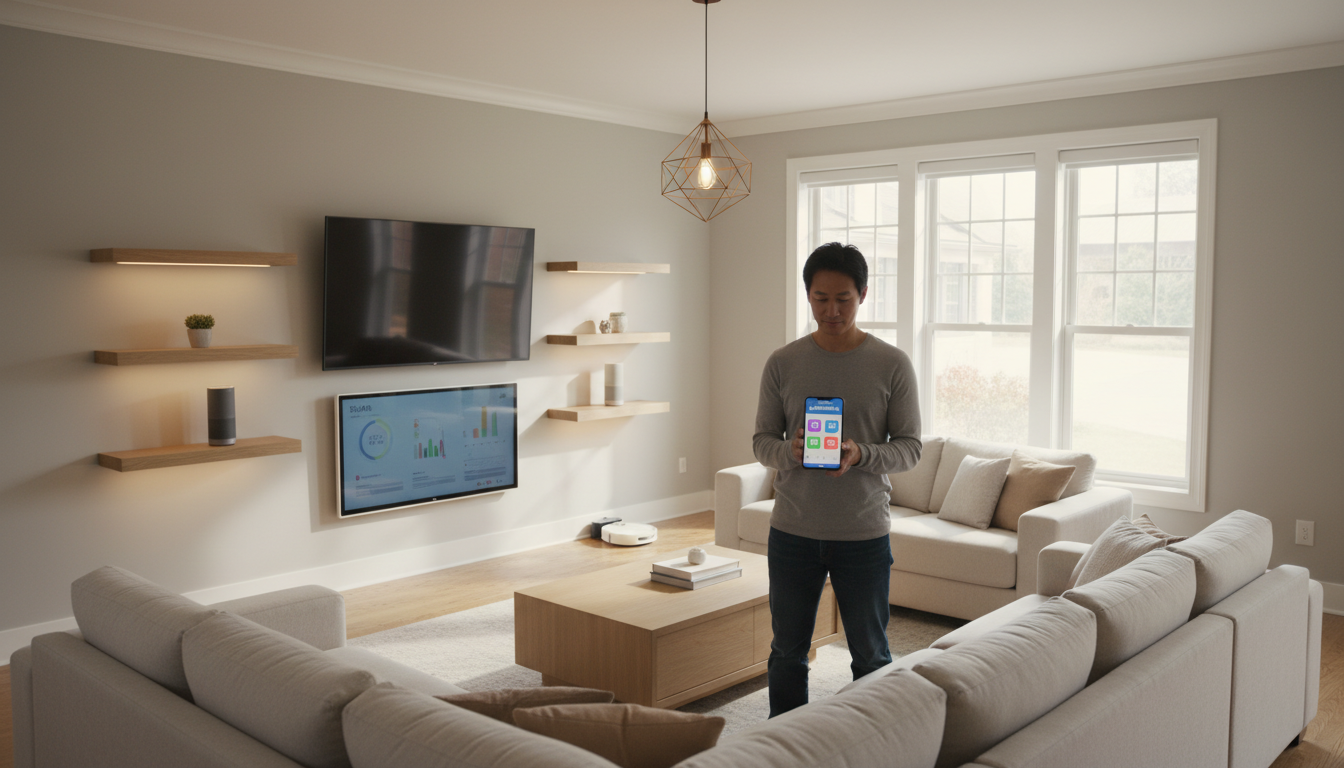
Before diving into the world of home automation, consider what you hope to achieve. Are you looking to improve security, enhance entertainment, or optimize energy usage? Identifying your primary goals will help you focus on systems that align with your needs.
For instance, if security is a top priority, you might prioritize systems with advanced surveillance features. On the other hand, if energy efficiency is your concern, look for solutions that offer smart thermostats and lighting controls.
Compatibility and Integration
It's crucial to ensure that the home automation system you choose is compatible with your existing devices. Check if the system can integrate with your current smart gadgets, such as smart speakers or security cameras. This integration can provide a seamless user experience.
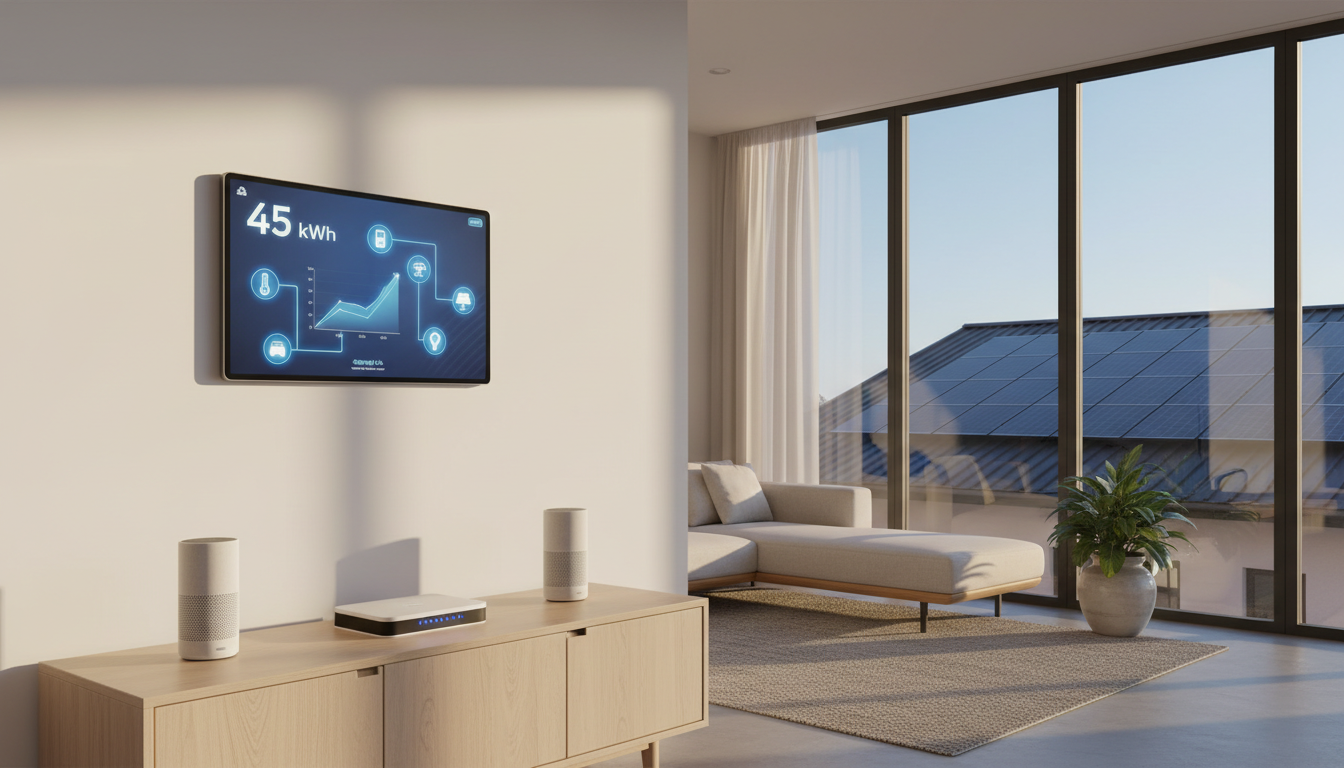
Also, consider whether the system is compatible with popular platforms like Amazon Alexa, Google Assistant, or Apple HomeKit. This will allow you to control your devices using voice commands, adding an extra layer of convenience.
Scalability and Flexibility
As technology evolves, your home automation needs might change. Choose a system that is scalable and flexible, allowing you to add more devices or features in the future without having to replace the entire system.
- Consider systems that support various protocols like Zigbee or Z-Wave for easier expansion.
- Look for modular systems that allow you to start small and expand as needed.
Budget Considerations
Home automation systems can vary significantly in price. Set a budget and determine which features are essential versus those that are nice-to-have. It's possible to start with a basic setup and gradually add more features as your budget allows.
Remember, investing in a reliable system might entail higher upfront costs, but it can save money in the long run through energy savings and enhanced security.
User-Friendliness
A system's ease of use is critical. Look for user-friendly interfaces and straightforward installation processes. Many systems offer mobile apps that provide intuitive control over your home automation devices, making management easy even when you're away from home.
Read reviews and perhaps try a demo if available, to ensure that the system you choose is easy to navigate and meets your expectations.
Customer Support and Warranty
Reliable customer support can make a significant difference, especially if you encounter issues during installation or use. Opt for companies that offer robust customer support and comprehensive warranties. This can provide peace of mind knowing that assistance is readily available when needed.
In conclusion, selecting the right home automation system involves careful consideration of your specific needs, budget, and future plans. By focusing on compatibility, scalability, and user-friendliness, you can find a system that enhances your lifestyle and meets your technological demands.