How to Safely Troubleshoot Common Electrical Issues at Home


Understanding the Basics
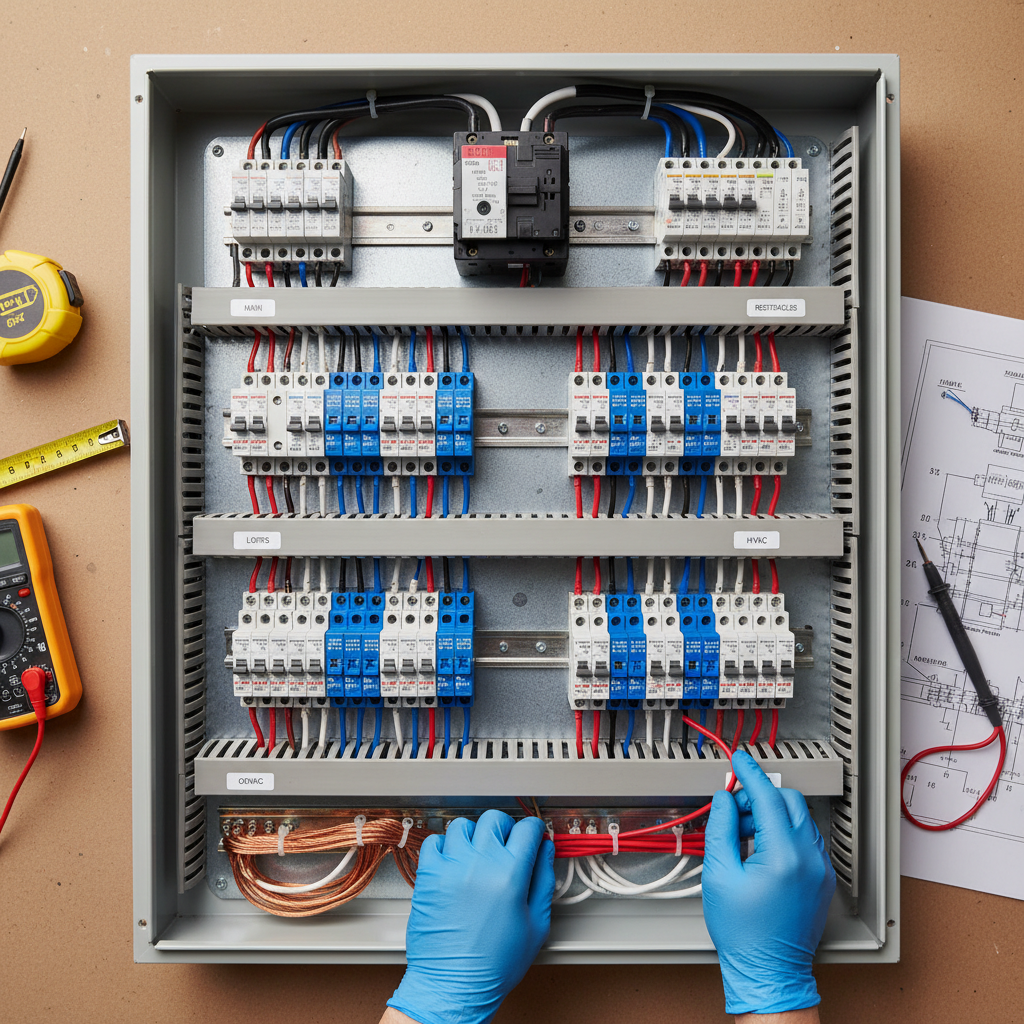
Before diving into troubleshooting electrical issues, it's essential to have a basic understanding of your home's electrical system. Familiarize yourself with the location of your circuit breaker box and how to turn off the power to specific circuits. This knowledge will help you safely address common issues without risking injury.
Always remember: safety first. If you're ever unsure about handling electrical components, it's best to consult a professional. Never attempt to troubleshoot if you're not confident in your skills.
Identifying Common Electrical Problems
Tripped Circuit Breakers
A frequently tripped circuit breaker is a common issue that can usually be resolved easily. Check the breaker box for any switches that are in the "off" position or not aligned with the rest. Simply flipping the switch back to the "on" position can often restore power to the affected area.
Faulty Outlets
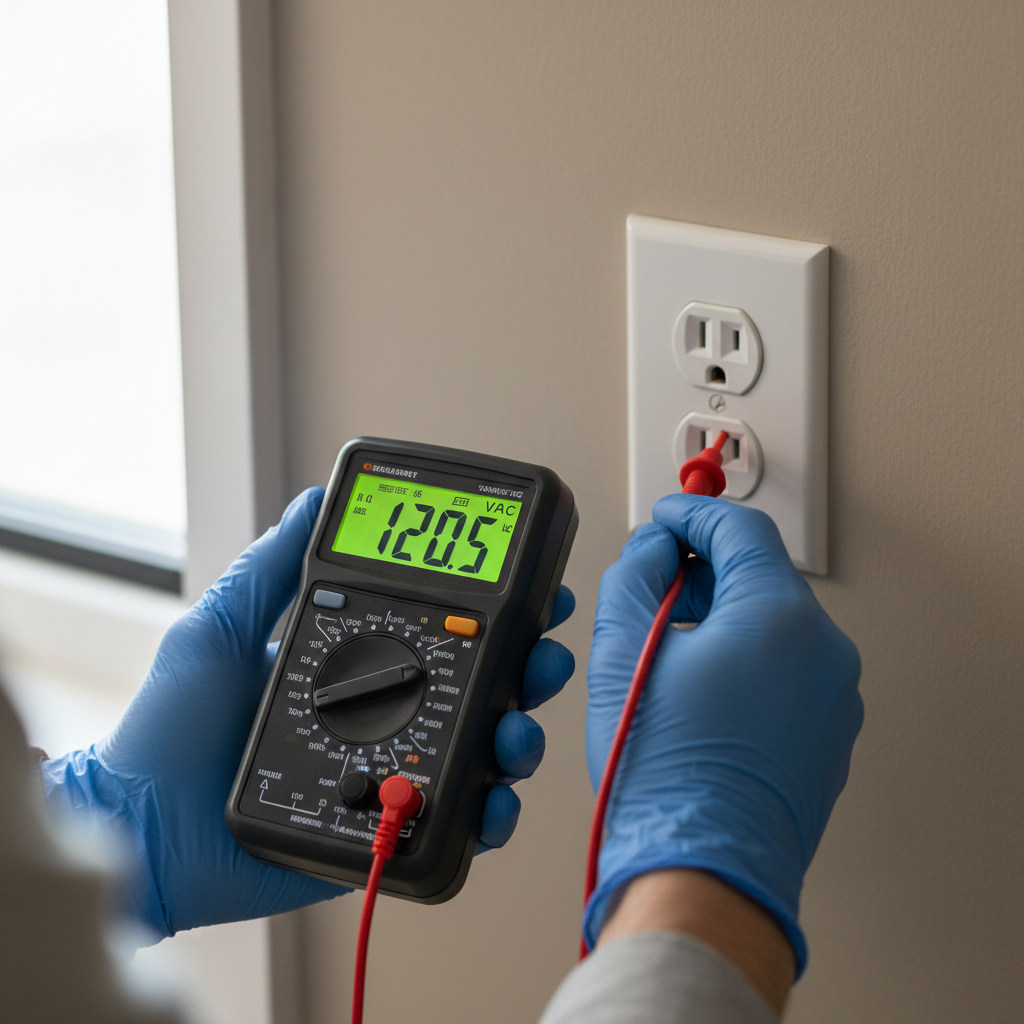
Outlets that don't work may be the result of a tripped breaker or a GFCI outlet that needs resetting. Test other outlets in the room to determine if the problem is isolated. If it's a GFCI outlet, press the reset button to restore functionality.
Addressing Flickering Lights
Flickering lights can be caused by loose bulbs or poor connections. Ensure that the bulb is screwed in tightly and is the correct wattage for the fixture. If the issue persists, check the fixture's wiring or consult an electrician.
In some cases, flickering may be due to voltage fluctuations. If this is a frequent issue, consider hiring a professional to inspect your home's wiring for potential hazards.
Dealing with Light Switch Issues
If a light switch is not functioning properly, it could be due to a wiring issue or a faulty switch. Begin by turning off the circuit breaker for the switch and removing the cover plate. Check for any loose wires and tighten them if necessary.
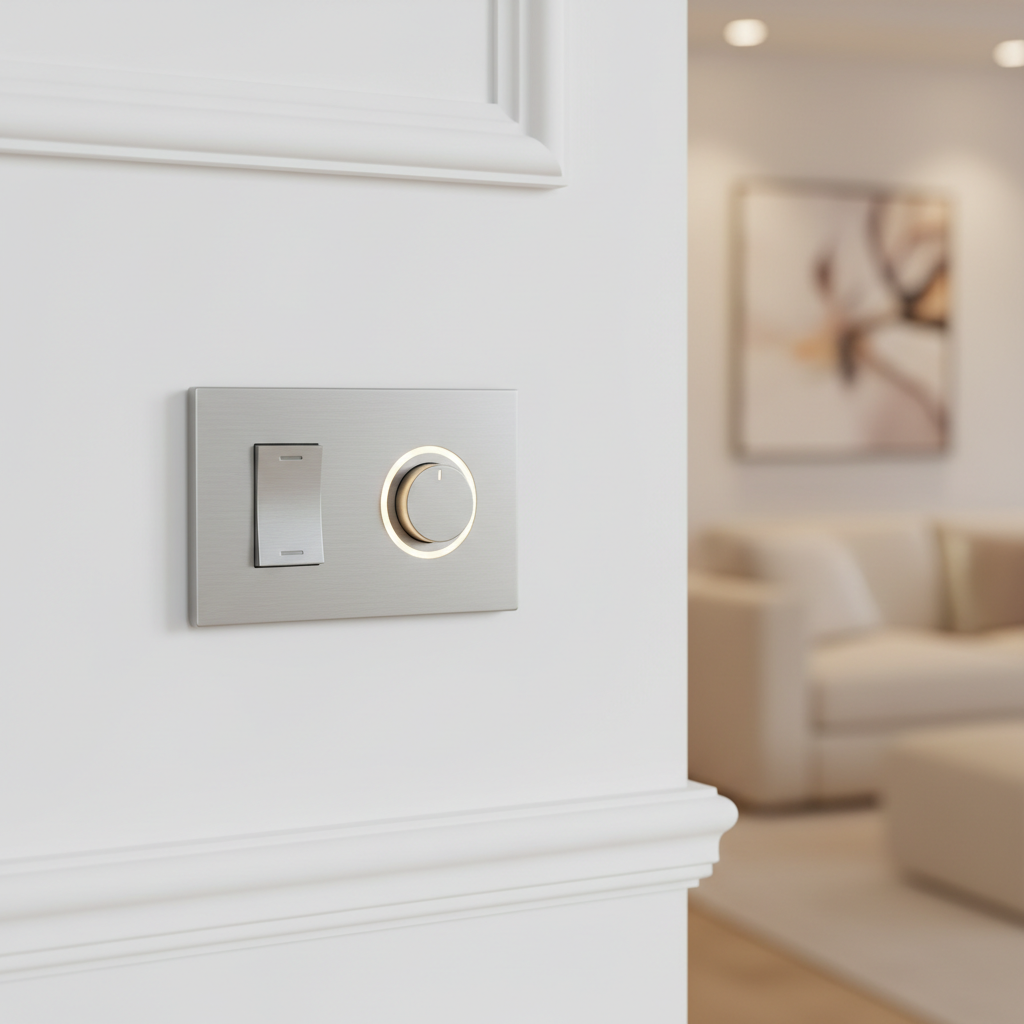
If tightening the wires doesn't solve the problem, replacing the switch might be the next step. Ensure you purchase a compatible switch, and always follow safety guidelines when handling electrical components.
Precautionary Measures
When troubleshooting, always use insulated tools to prevent electrical shocks. Wear rubber-soled shoes and avoid working in damp areas. These precautions can significantly reduce the risk of accidents.
Additionally, regularly inspect your home's electrical systems for signs of wear or damage. Addressing these issues early can prevent more significant problems and ensure your home's safety.