Preparing Your Home for Storm Season: Electrical Safety Tips


Understanding the Importance of Electrical Safety
As storm season approaches, it's crucial to ensure your home is prepared to handle the potential challenges it brings. One of the most important aspects to consider is electrical safety. Storms can lead to power surges, outages, and even electrical fires if precautions aren't taken. Understanding the risks and making necessary adjustments can protect your home and family.
Inspecting Your Electrical System
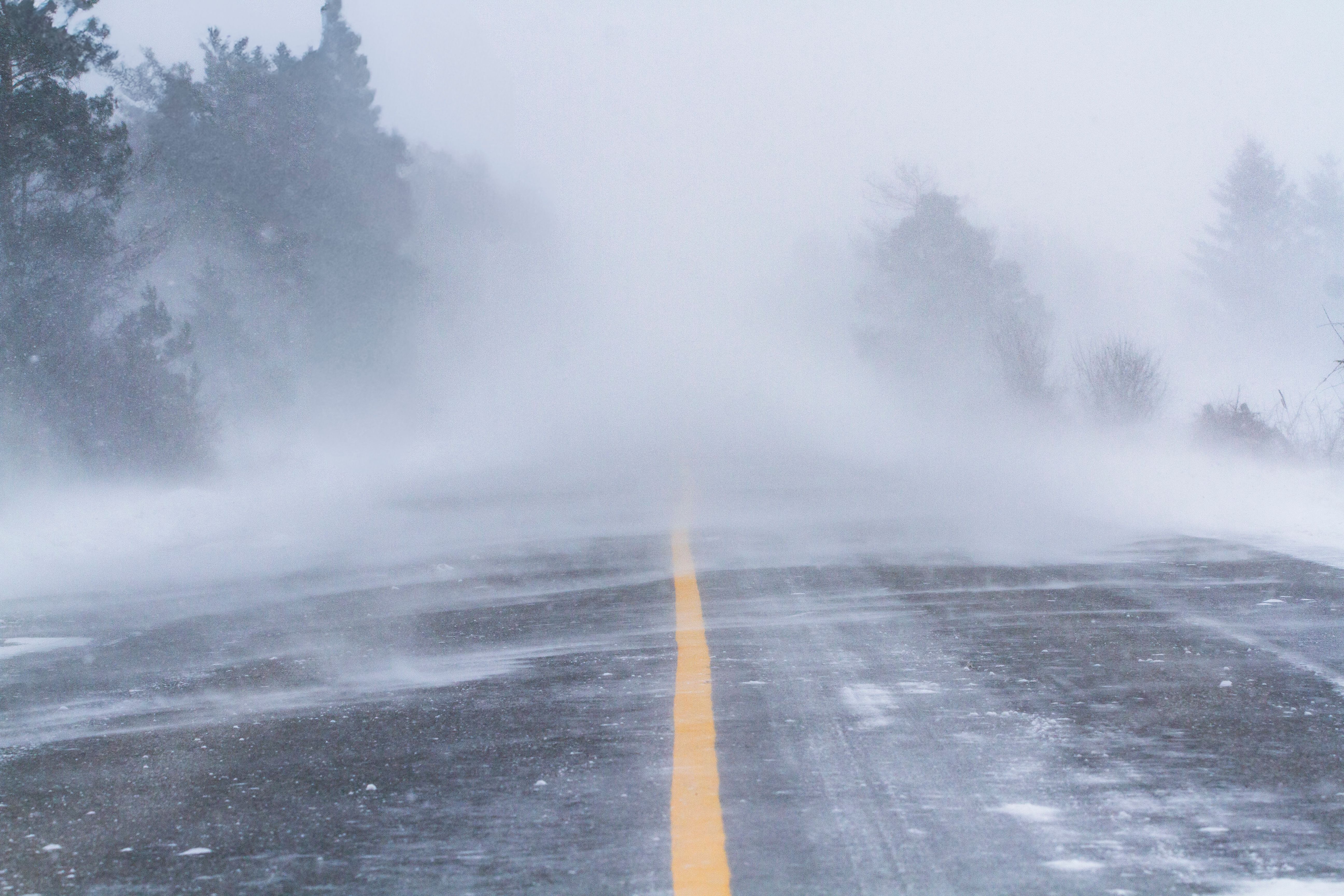
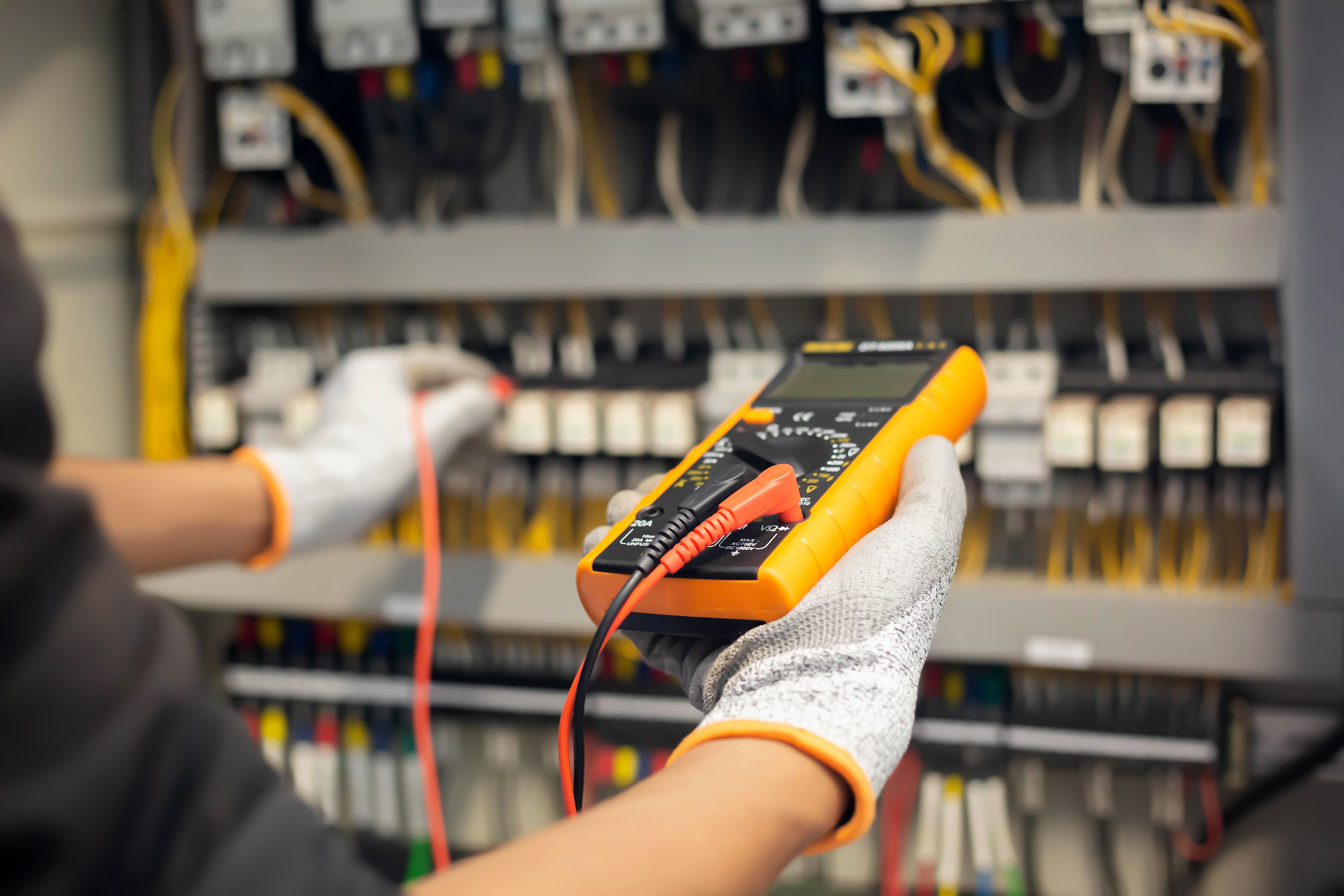
Before storm season hits, take the time to inspect your home's electrical system. Look for any exposed wiring, frayed cords, or outdated systems that could pose a threat during severe weather. Hiring a licensed electrician to perform a thorough inspection can help identify hidden issues and ensure everything is up to code.
Additionally, consider installing a whole-house surge protector. This device can safeguard your appliances and electronics from damaging power surges caused by lightning strikes or sudden power interruptions.
Preparing for Power Outages
Power outages are common during storms, so it's wise to be prepared. Invest in a reliable generator to keep essential appliances running during an outage. Ensure your generator is installed correctly and that you understand how to operate it safely. Never run a generator inside your home or garage, as it can produce deadly carbon monoxide gas.
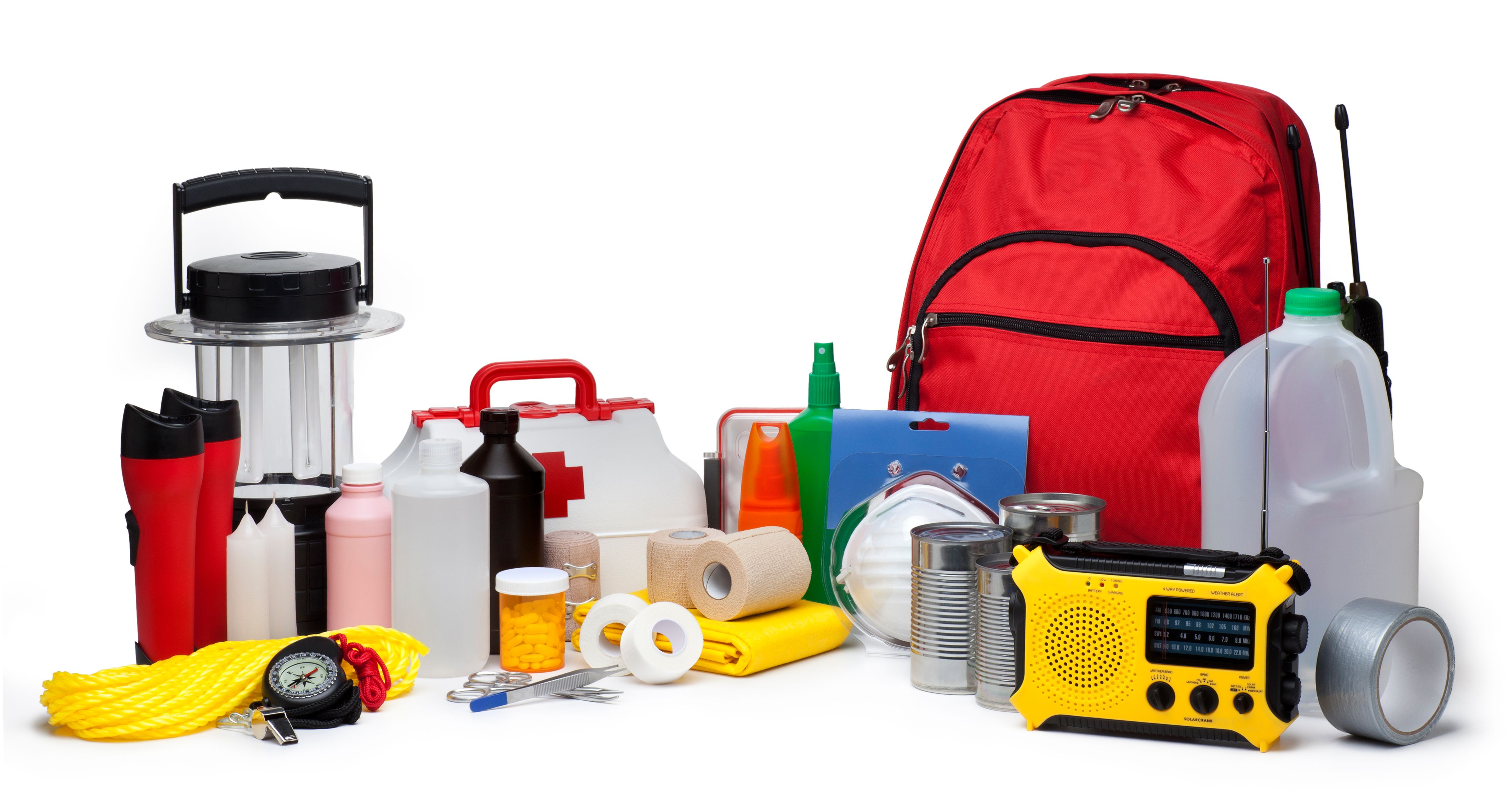
It's also beneficial to have a stock of flashlights, batteries, and non-perishable food items. This preparation can make a significant difference when dealing with extended outages.
Safety During a Storm
During a storm, prioritize safety by unplugging unnecessary appliances and electronics. This can help prevent damage from power surges and reduce the risk of fire. Avoid using wired electronics like phones or computers during a storm, as lightning can travel through telephone lines and electrical systems.
Stay informed about weather conditions through a battery-operated radio or a weather app on your mobile device. Keeping up-to-date can help you make timely decisions, such as when to seek shelter in a safer location.
After the Storm Has Passed
Once the storm has passed, carefully assess any damage to your electrical system. Look for signs of water damage or exposed wires, and contact a professional electrician if you notice anything unusual. Avoid touching any electrical equipment if you are wet or standing in water.
Check your circuit breakers and reset them if necessary. If you experience persistent electrical issues, it may indicate a more significant problem that requires professional attention.
Long-Term Electrical Safety Measures
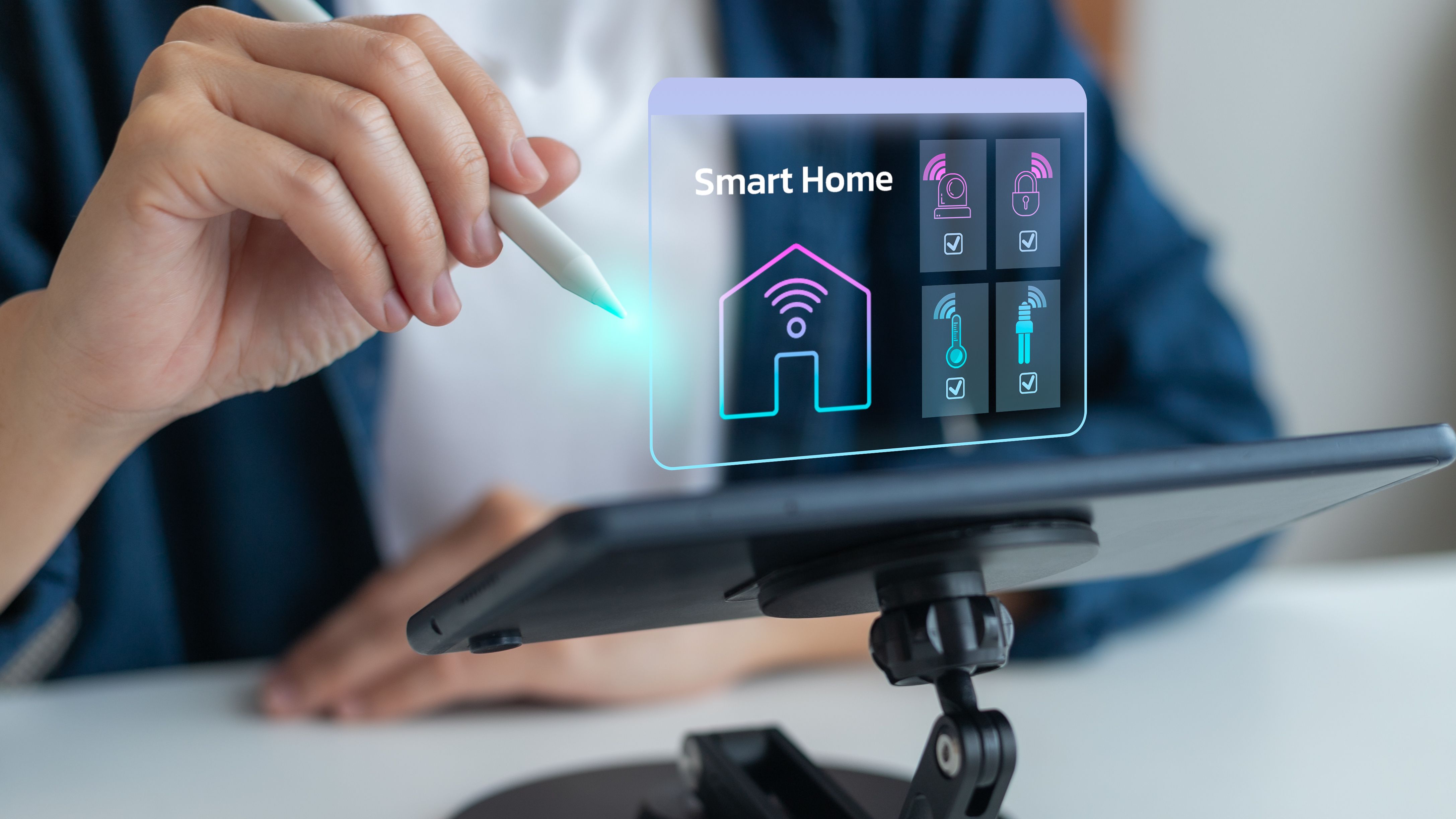
For long-term safety, consider integrating smart home technology that can monitor your electrical system and alert you to potential issues. These systems can provide real-time data and help you manage energy use more efficiently.
Regular maintenance and updates to your electrical system can prevent many storm-related problems. Scheduling annual check-ups with a professional electrician can keep your home safe and prepared for any weather event.