
Understanding Electrical Regulations in Australia: A Homeowner’s Guide


Introduction to Electrical Regulations
Understanding electrical regulations in Australia is crucial for homeowners. These regulations ensure safety and compliance, protecting both property and people from potential electrical hazards. Whether you're renovating, building, or simply maintaining your home, adhering to these regulations is essential.
In Australia, electrical work is governed by national standards and codes, with specific rules that vary between states and territories. As a homeowner, it's important to familiarize yourself with these standards to ensure your home is safe and legally compliant.
Why Electrical Regulations Matter
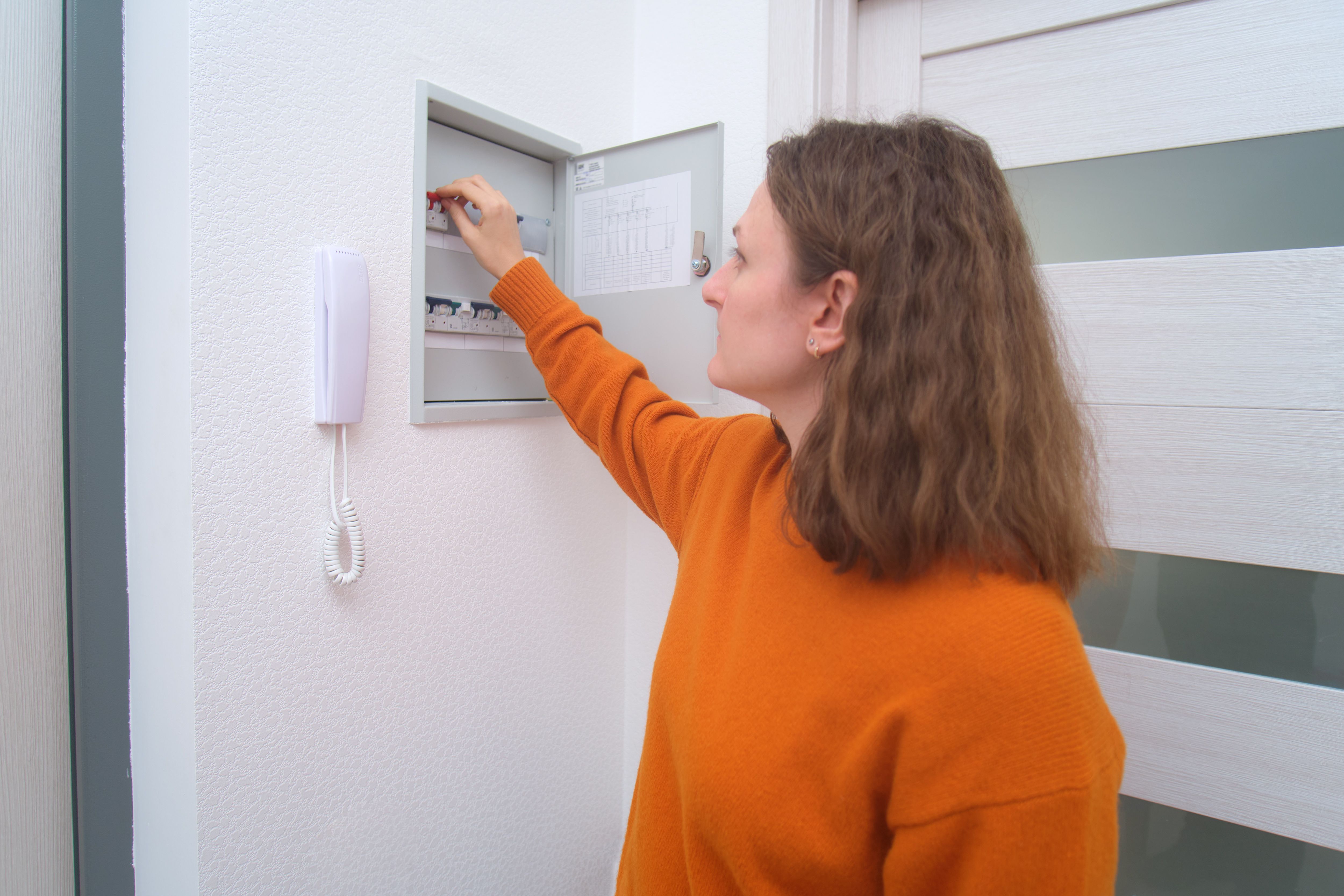
Electrical regulations are designed to minimize risks associated with electricity, including fires, shocks, and other hazards. By following these regulations, homeowners can prevent accidents and ensure that their electrical systems function efficiently.
Failure to comply with these standards can result in legal penalties, insurance issues, and, most importantly, endanger the safety of your household. Thus, understanding and implementing these guidelines is not just a legal obligation but a critical safety measure.
Key Regulatory Authorities
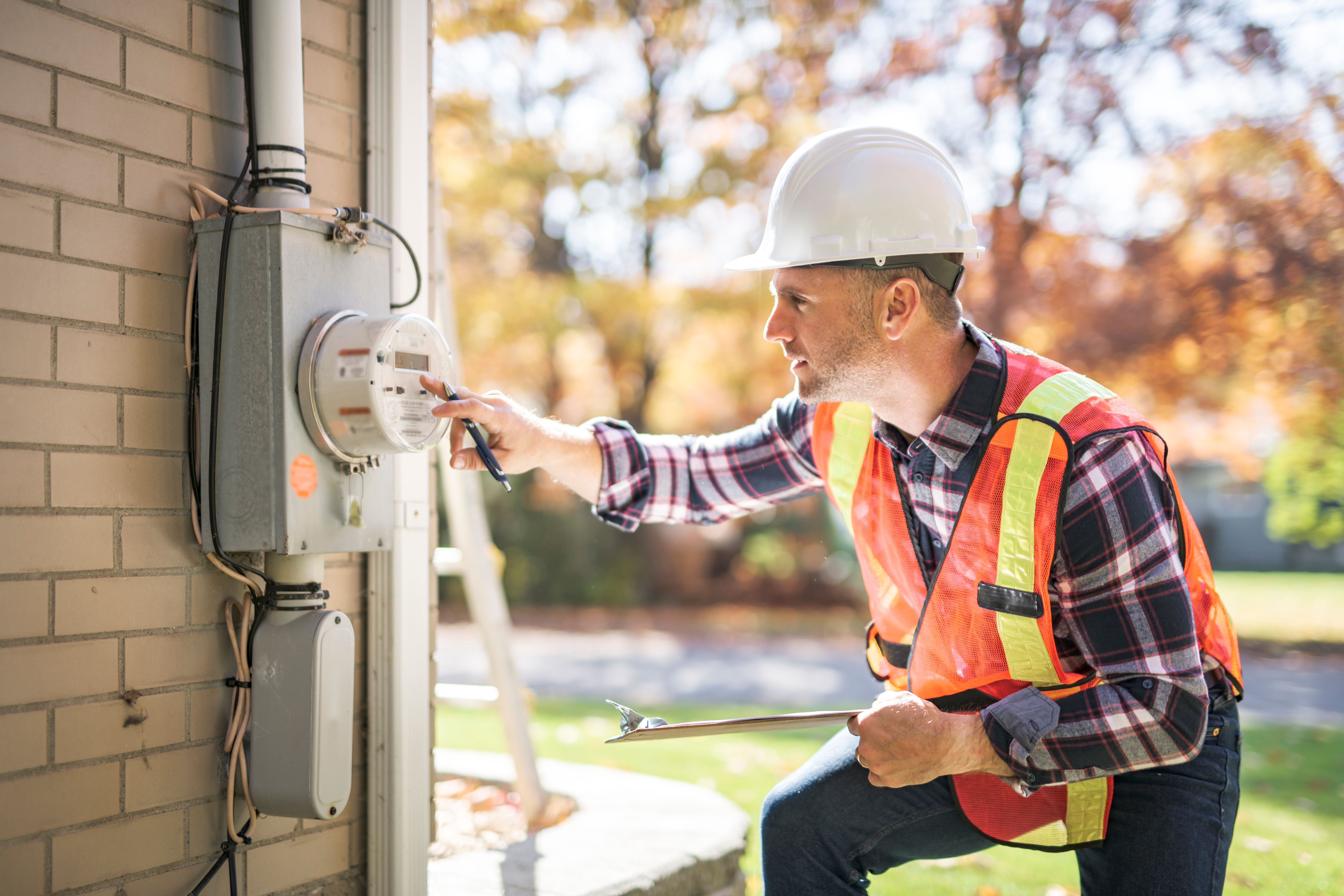
Several organizations oversee electrical standards in Australia. The primary bodies include:
- Standards Australia: Develops and publishes standards, including the AS/NZS 3000, known as the Wiring Rules.
- State and Territory Regulators: Each region has its own regulatory authority responsible for enforcing electrical safety laws.
- Energy Safe Victoria, Electrical Safety Office Queensland, and others: Specific agencies that ensure compliance within their jurisdictions.
Common Electrical Regulations
There are several key areas where regulations are particularly stringent:
Wiring and Installations
The AS/NZS 3000 Wiring Rules provide comprehensive guidelines for electrical installations. These rules cover everything from wiring methods to safety measures, ensuring that all installations are safe and reliable.
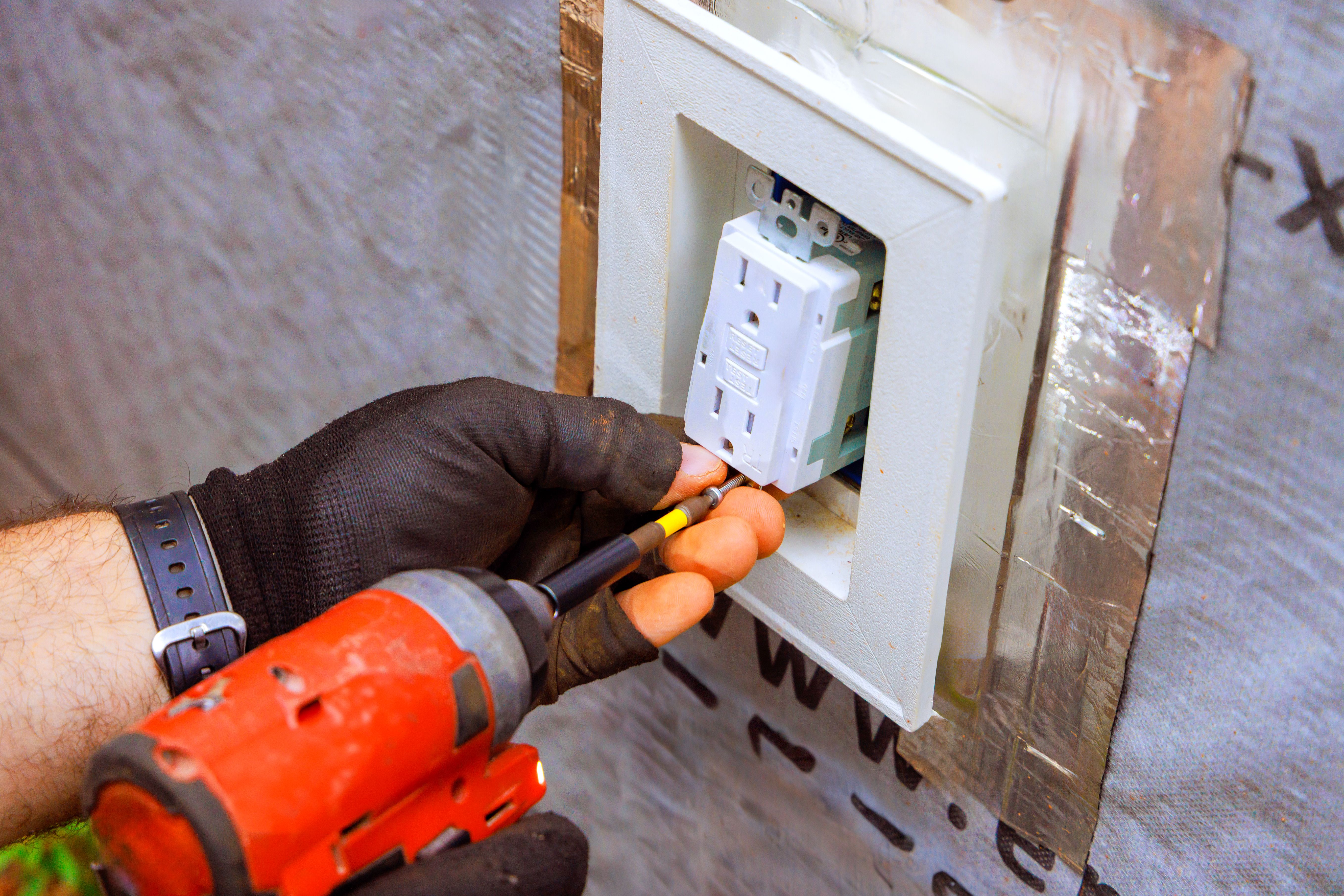
It's crucial that any electrical work in your home is performed by a licensed electrician who understands and adheres to these regulations. DIY electrical work is not only dangerous but also often illegal without proper qualifications and permits.
Appliance Safety
Appliances must meet specific safety standards to be used legally in Australia. This includes ensuring that they are properly tested and certified. Look for the Regulatory Compliance Mark (RCM) to confirm compliance.
Regular maintenance and checks of your appliances can prevent accidents and extend their lifespan. Always follow the manufacturer's instructions and consider regular inspections by a professional.
Conclusion
Understanding and complying with electrical regulations in Australia is a vital responsibility for homeowners. By staying informed and ensuring that all electrical work is carried out by licensed professionals, you can maintain a safe and compliant home environment.
For more detailed information, consult your local regulatory authority or a licensed electrician. Prioritizing safety and compliance will protect your home and loved ones from unnecessary risks.