
Why Australian Homeowners Are Switching to Solar Energy


Understanding the Solar Energy Trend in Australia
In recent years, a growing number of Australian homeowners have been making the switch to solar energy. This shift is driven by various factors, including environmental concerns, economic benefits, and advancements in solar technology. As a country blessed with abundant sunshine, Australia offers an ideal environment for harnessing solar power, making it an attractive option for many.

Environmental Benefits of Solar Energy
One of the primary reasons Australians are adopting solar energy is the environmental impact. Solar power is a clean, renewable energy source that significantly reduces carbon emissions. By switching to solar, homeowners contribute to a healthier planet by decreasing their reliance on fossil fuels. This shift not only supports global efforts to combat climate change but also helps preserve the country's unique ecosystems.
Additionally, solar energy reduces air and water pollution, promoting a cleaner and more sustainable environment. This is particularly important for Australia, where preserving natural beauty is a national priority.

Economic Advantages for Homeowners
Aside from environmental considerations, the economic benefits of solar energy are compelling. Homeowners can reduce or even eliminate their electricity bills by generating their own power. Many areas in Australia offer incentives, such as feed-in tariffs, where homeowners are paid for the excess electricity they produce and feed back into the grid.
Moreover, the cost of solar panels has decreased significantly over the past decade, making it more affordable than ever to install solar systems. With the potential for substantial savings on energy bills, many view this as a wise financial investment.
Technological Advancements Making Solar More Accessible
Technological innovations have also played a crucial role in the adoption of solar energy. Improvements in solar panel efficiency and battery storage solutions have made it easier for homeowners to utilize solar power effectively. Modern systems are more durable and require less maintenance, appealing to those who prefer a hassle-free energy solution.
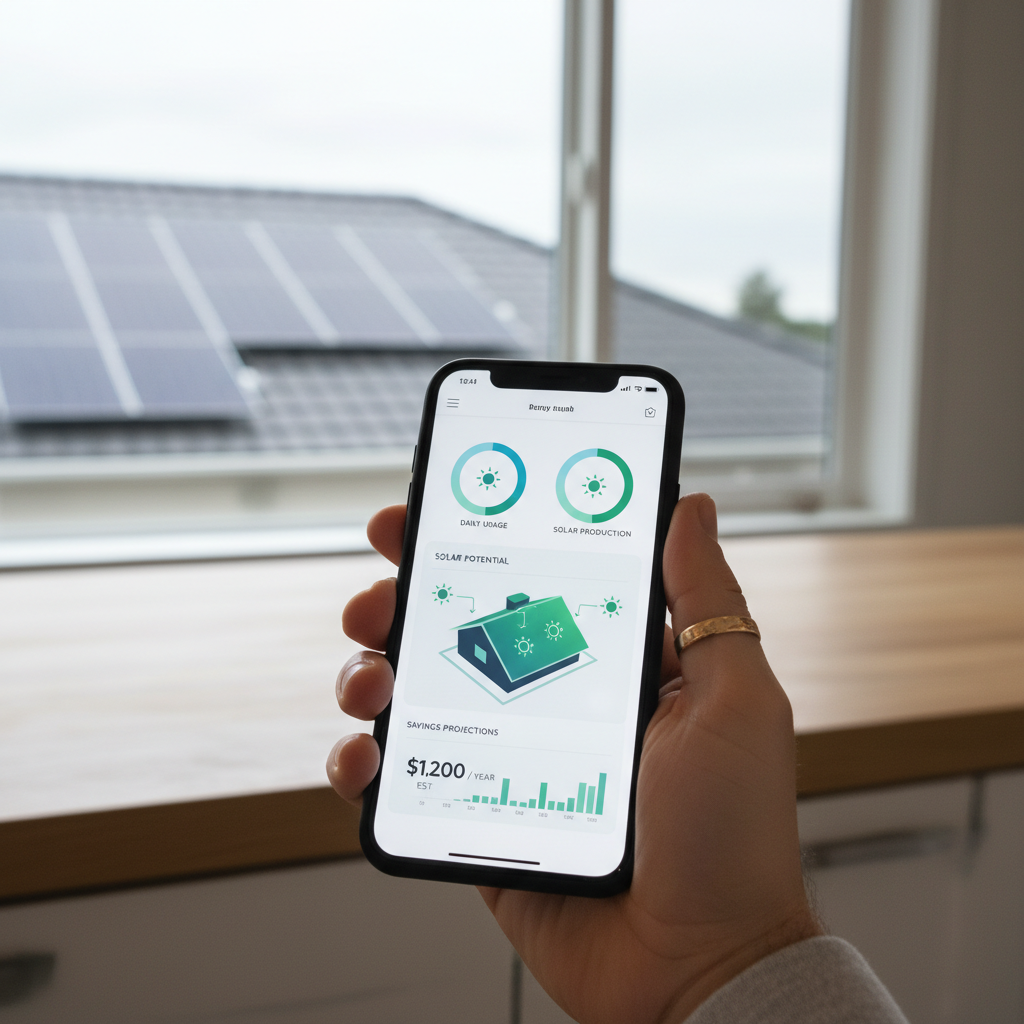
Furthermore, smart home technologies now allow homeowners to monitor and optimize their energy usage, increasing the overall efficiency and appeal of solar energy systems.
Government Support and Incentives
Government initiatives have been instrumental in encouraging the transition to solar energy. Various rebates, grants, and incentives are available to make solar power more financially accessible to homeowners. These programs aim to reduce the initial cost of installation and accelerate the adoption of renewable energy sources.
Additionally, state-specific incentives provide further financial relief, allowing homeowners to reap the benefits of solar energy without a significant upfront investment.
Community and Social Impact
The shift to solar energy is not just an individual choice but part of a broader movement towards sustainability. By adopting solar, homeowners join a community committed to reducing environmental impact and promoting renewable energy. This collective effort can lead to increased awareness and inspire others to make similar eco-friendly decisions.
Community solar projects are also gaining popularity, enabling neighborhoods to share resources and reduce costs, further enhancing the appeal of solar energy.

Conclusion: A Bright Future for Solar Energy
As more Australian homeowners turn to solar energy, the benefits become increasingly evident. From environmental preservation to significant cost savings, the advantages of solar power are compelling. With continued advancements in technology and ongoing government support, the future of solar energy in Australia looks bright.
For those considering the switch, now is the perfect time to explore the possibilities that solar energy offers, taking an active step towards a sustainable and economically beneficial lifestyle.